PLC TrainingThe complete guide to becoming an industrial automation engineer
PLC training teaches you to program, wire and troubleshoot Programmable Logic Controllers — the rugged industrial computers that run automated machines in every modern plant. This guide covers the full syllabus, duration, 2026 fees, salaries and career paths, written by engineers who commission real factories.
Press START — the M contact seals the rung in. This is your first circuit in week 3.
- Duration
- 2–3 months full-timeBasics in ~40 hours · 3–6 months part-time
- Mode
- Classroom + live onlineLab in JP Nagar, Bengaluru
- Eligibility
- BE/BTech · Diploma · ITIEEE, ECE, Mech, E&I, Mechatronics
- Fees (India, typical)
- ₹15,000–₹60,000Market range · ask for current fees
- Outcome
- Automation / controls rolesWith placement assistance
What is PLC training?
PLC training is a hands-on program that teaches you to design, program, wire and troubleshoot Programmable Logic Controllers (PLCs) — the industrial computers that control machines, production lines and utility plants. A complete course pairs ladder-logic programming with panel wiring, SCADA, HMI and drive commissioning on real hardware.
A PLC is a hardened computer built to survive a factory floor: dust, vibration, electrical noise and 24×7 duty. It reads inputs (sensors, pushbuttons, switches), executes your control logic in milliseconds, and switches outputs (motors, valves, indicators). The first PLC, the Modicon 084, replaced walls of relay panels in 1969 — and the ladder-logic language it introduced still runs most of the world's factories today.
That is exactly why the training exists as its own discipline. Colleges teach the theory of control systems; plants need engineers who can read a P&ID, wire a panel, write the logic, tune a drive and commission the machine. PLC training bridges that gap — and it is the standard entry route into industrial automation for electrical, electronics, mechanical and instrumentation engineers. If you are in Karnataka and want the classroom version, see our PLC SCADA training in Bangalore.
CONTEXT — A single mid-size plant runs dozens of PLCs. India's automation build-out across pharma, EV, FMCG, water treatment and data centers keeps controls engineers in steady demand.
PLC training syllabus: the 9 modules
This is the module sequence we teach at Technologics — roughly 300 guided hours including project work — and the arc any complete PLC SCADA program should follow. Each rung builds on the last, the way a ladder program executes.
- 01≈ 20 hrs
Relay Logic & Foundational Automation
Control vs power circuits, field instruments (sensors, limit switches, solenoids), DOL and star-delta starters, interlocks — and why relay panels gave way to PLCs.
- 02≈ 26 hrs
PLC Architecture & Hardware Configuration
CPU, power supply, digital and analog I/O modules, sink vs source wiring, addressing, rack configuration and communication ports. You wire live trainer panels, not simulations.
- 03≈ 50 hrs
PLC Programming Languages & Ladder Logic
Bit logic, timers, counters, latching and seal-in circuits, edge instructions and structured program design across the five IEC 61131-3 languages.
- 04≈ 40 hrs
Advanced Instructions & Multi-Brand PLCs
Analog scaling, PID blocks, data handling, comparison and math instructions — the same exercises implemented on Siemens, Allen-Bradley, Mitsubishi and Delta hardware.
- 05≈ 36 hrs
SCADA Systems & Architecture
Tag creation, graphics, alarms, trends, historical logging, recipe management and PLC–SCADA communication over Modbus and Ethernet.
- 06≈ 20 hrs
P&ID Diagrams & Industrial Project Documents
Reading P&IDs and electrical drawings; preparing IO summaries, BOQ/BOM, cause-and-effect matrices, FAT/SAT checklists and O&M manuals — the paperwork real projects run on.
- 07≈ 28 hrs
VFD Selection & PID Tuning
Drive parameterization, motor control methods, braking, and PID loop tuning for flow, level, pressure and temperature processes.
- 08≈ 28 hrs
HMI Design & Interfacing
Screen hierarchy, alarm and recipe screens, scripting basics, and operator-friendly design — tested on physical panels, judged by usability.
- 09≈ 24 hrs
DCS — Distributed Control System
DCS architecture vs PLC/SCADA, controllers and redundancy, function-block programming, and where DCS fits in process industries like pharma and power.
The 5 PLC programming languages
IEC 61131-3 defines five standard PLC programming languages: Ladder Diagram, Function Block Diagram, Structured Text, Sequential Function Chart and Instruction List. Most Indian plants run on ladder logic, so serious training goes deepest there first — then layers the others on top.
| Language | Looks like | Best for | Priority |
|---|---|---|---|
| Ladder Diagram (LD) | An electrical relay schematic | Discrete machine control, interlocks, plant-floor troubleshooting | Learn first |
| Function Block Diagram (FBD) | Wired-together function blocks | Analog handling, PID loops, drive control | Core |
| Structured Text (ST) | Pascal-style code | Math-heavy logic, batching, data handling — demand is growing fast | Core |
| Sequential Function Chart (SFC) | A flowchart of steps and transitions | Sequential and batch processes | Useful |
| Instruction List (IL) | Assembler-style text | Maintaining older programs — deprecated in the current standard | Legacy |
PLC brands & software to train on
Siemens and Allen-Bradley control the majority of installed plants worldwide, so they anchor any serious PLC training program. Mitsubishi, Delta, Omron, Schneider and ABB round out what you will actually meet on Indian factory floors — the logic transfers, the software changes.
| Brand / family | Programming software | Where you'll meet it |
|---|---|---|
| Siemens S7-1200 / S7-1500 Learn first | TIA Portal, SIMATIC Manager | Process plants, pharma, OEM machines across India, Europe and the Middle East |
| Allen-Bradley (Rockwell) MicroLogix / CompactLogix Learn first | RSLogix 500, Studio 5000 | Automotive, FMCG and any plant with US parentage |
| Mitsubishi FX / Q series | GX Works | Japanese OEM machinery — packaging, textiles, presses |
| Delta | ISPSoft / WPLSoft | Cost-sensitive OEM panels and SMEs across India |
| Schneider Modicon | EcoStruxure Machine Expert | Utilities, water treatment, building systems |
| Omron | CX-Programmer, Sysmac Studio | Sensor-heavy machines, pick-and-place, electronics assembly |
| ABB AC500 | Automation Builder | Energy, marine and heavy industry |
AT TECHNOLOGICS — You run the same exercises on multiple live PLCs, so brand differences become syntax, not fear.
The hardware you train on
PLC training here runs on the equipment real plants use — ABB AC 700F DCS, Siemens, Schneider, Allen-Bradley and Delta PLCs, a Bengaluru Metro SCADA panel and a live BMS rig. You wire, download and fault-find on physical controllers, not a simulator.
Lab photos — tap to view
How long does PLC training take?
Ladder-logic basics take about 40 hours. A job-oriented PLC SCADA program takes 2–3 months full-time, or 3–6 months part-time alongside work or college. Genuine proficiency — commissioning machines unsupervised — comes after 1–2 years on live projects, which is why project exposure during training matters so much.
Relay logic & wiring
Control circuits, starters, field devices. You wire panels before you ever program them.
PLC programming
Ladder logic, timers, counters and analog handling on Siemens and Allen-Bradley trainers.
SCADA · HMI · VFD
Screens, alarms, trends, drive commissioning and PID tuning on running rigs.
Live projects & interviews
5–10 real project deliverables with scope docs and handover, then mock interviews and placement drives.
BENCHMARK — Global training providers report the same pattern: ~40 hours for basics, 3–6 months to job-ready. It matches what we see across 20,000+ trained candidates.
PLC careers: roles, industries & salaries
PLC training leads to roles like PLC programmer, automation engineer, controls engineer, commissioning engineer and SCADA engineer. In India, freshers typically start at ₹2.4–4.5 LPA and reach ₹9–18 LPA with commissioning experience; in the US the same path runs roughly $55,000 to $130,000+.
Demand is spread across pharma, automotive and EV, FMCG, water and sewage treatment, dairy, energy, data centers and building automation — every automated line needs someone who owns the control system. Our candidates have joined Siemens, Bosch, GE, Omron, L&T, TCS, Wipro, Tata, Accenture and 1,500+ other companies through placement drives. What gets them in the door is project work — browse the kind of PLC projects you build during the program.
| Role | Experience | India (typical) | US (typical) |
|---|---|---|---|
| Graduate trainee / Jr. automation engineer | 0–2 yrs | ₹2.4–4.5 LPA | $55k–$75k |
| PLC / automation engineer | 2–5 yrs | ₹4.5–9 LPA | $75k–$95k |
| Sr. controls / commissioning engineer | 5–10 yrs | ₹9–18 LPA | $90k–$130k |
| Automation project manager / solution architect | 10+ yrs | ₹18–35 LPA | $130k+ |
SOURCES — Ranges compiled from Indian job portals and US industry salary surveys, July 2026. Multi-brand and commissioning skills push you to the top of each band.
PLC & SCADA projects our engineers deliver
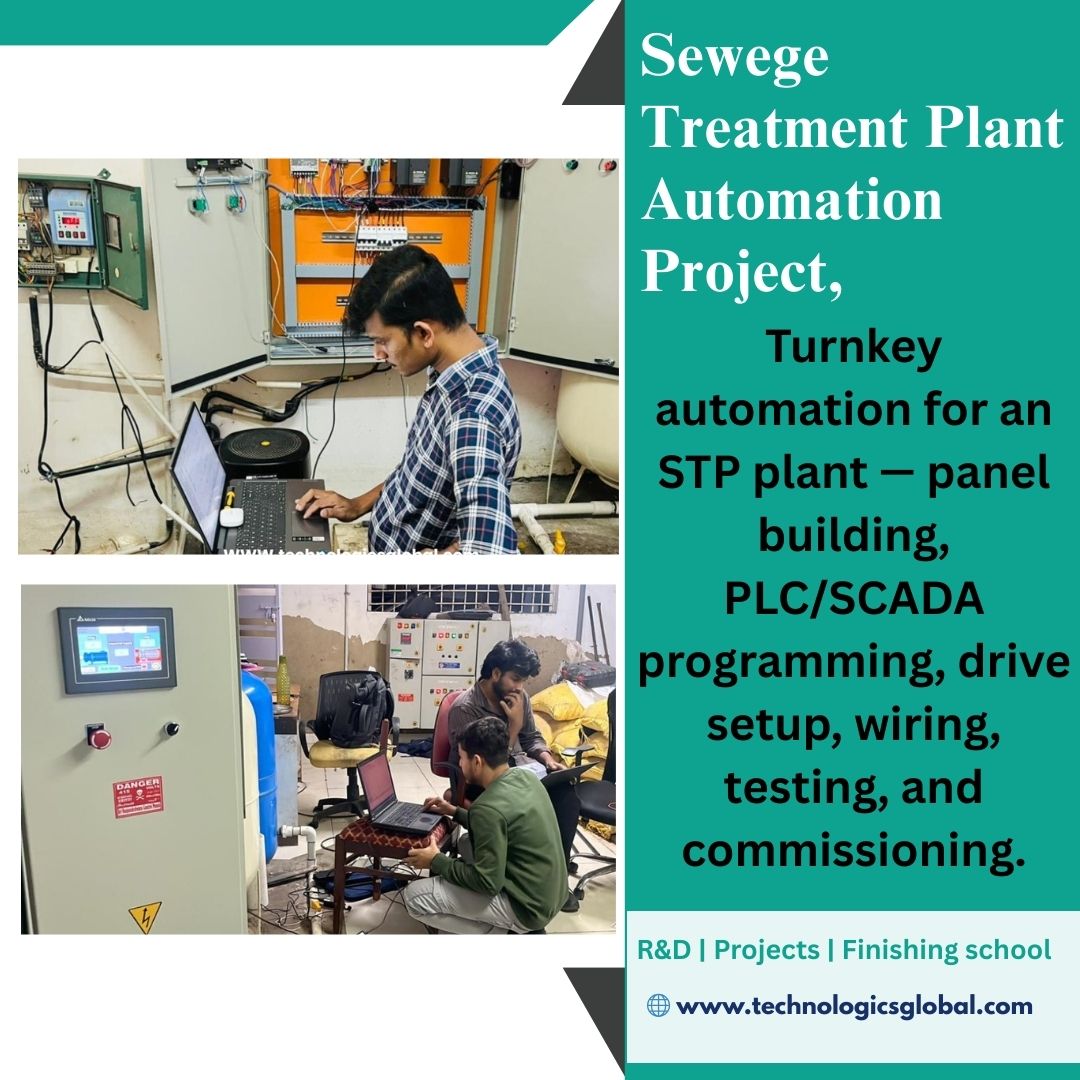
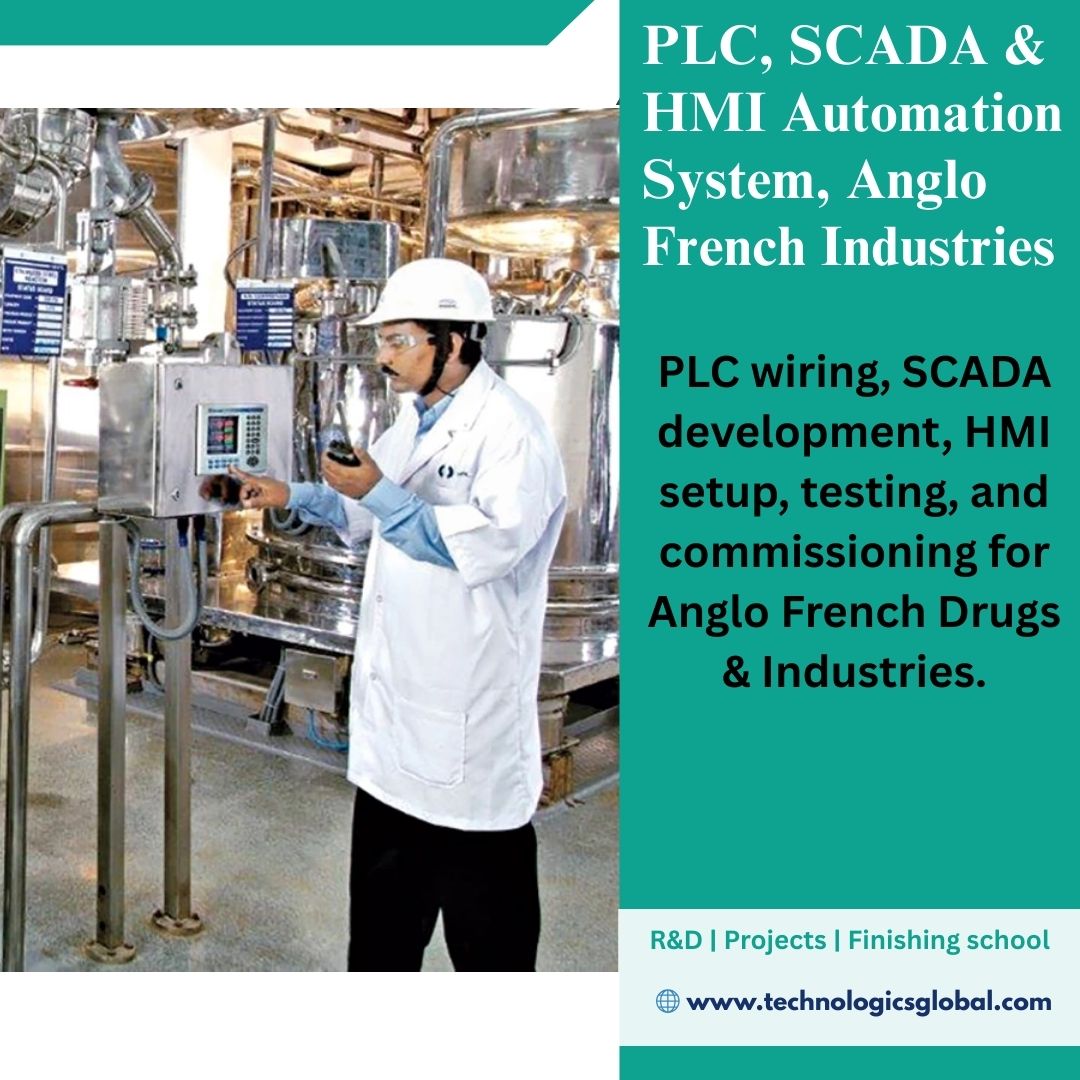
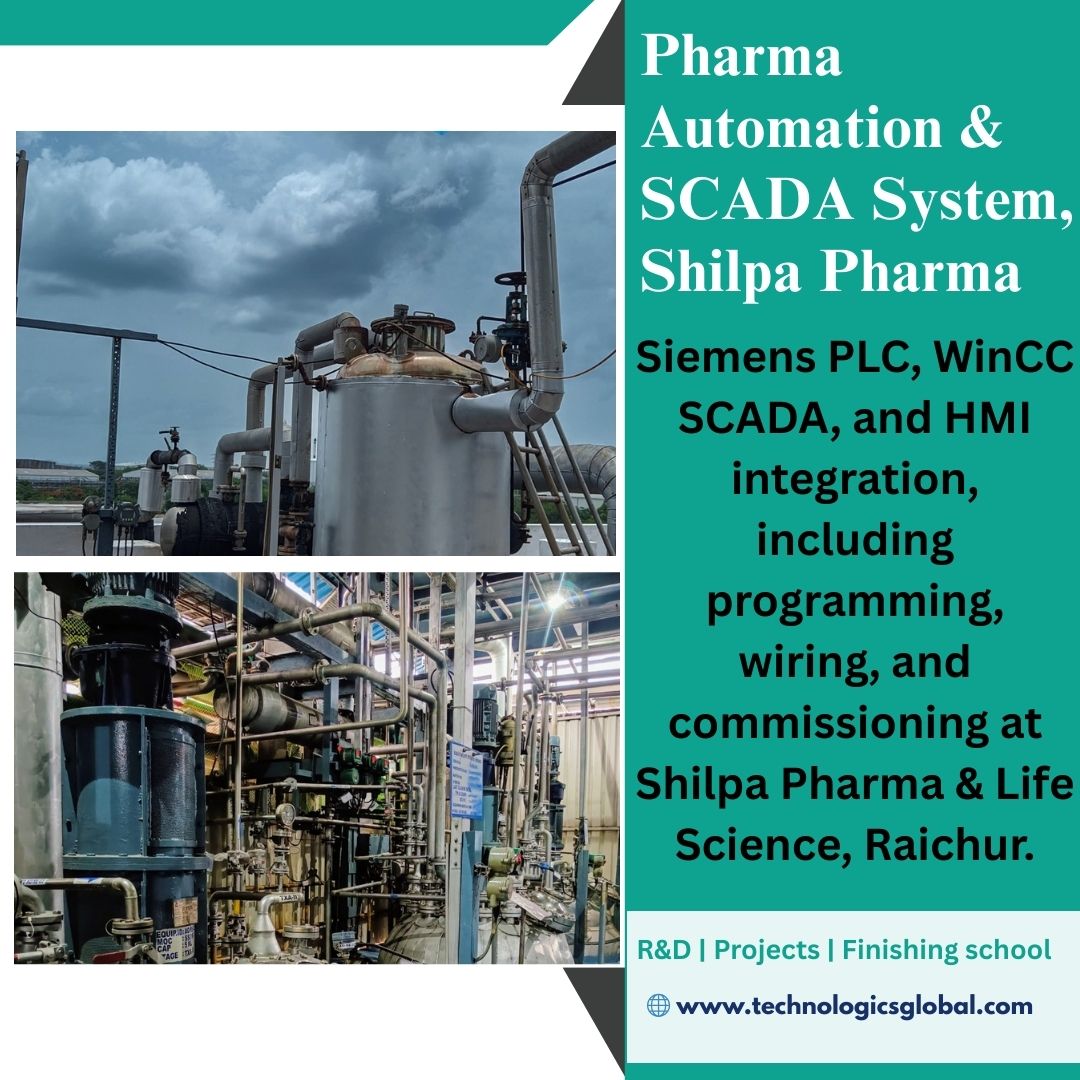
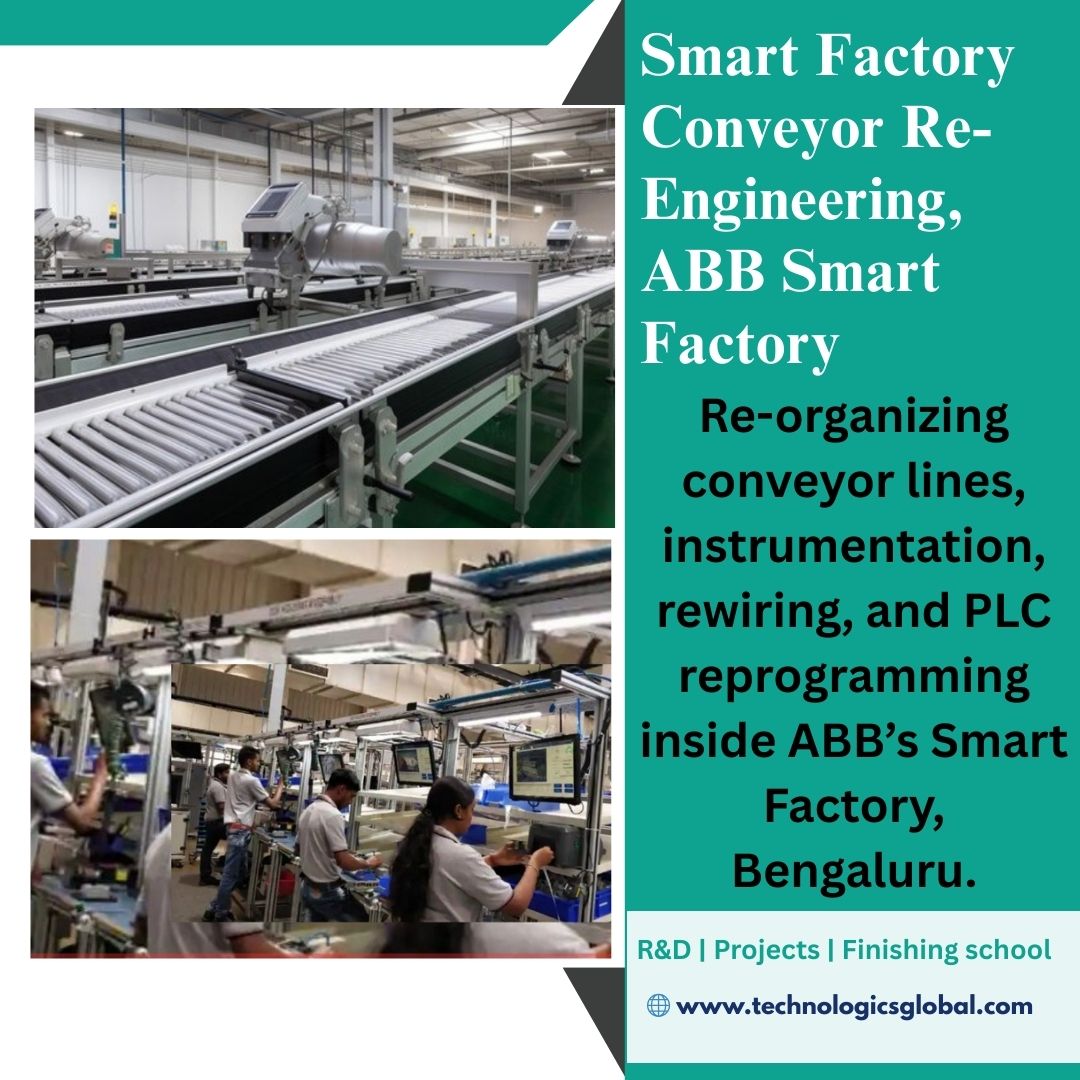
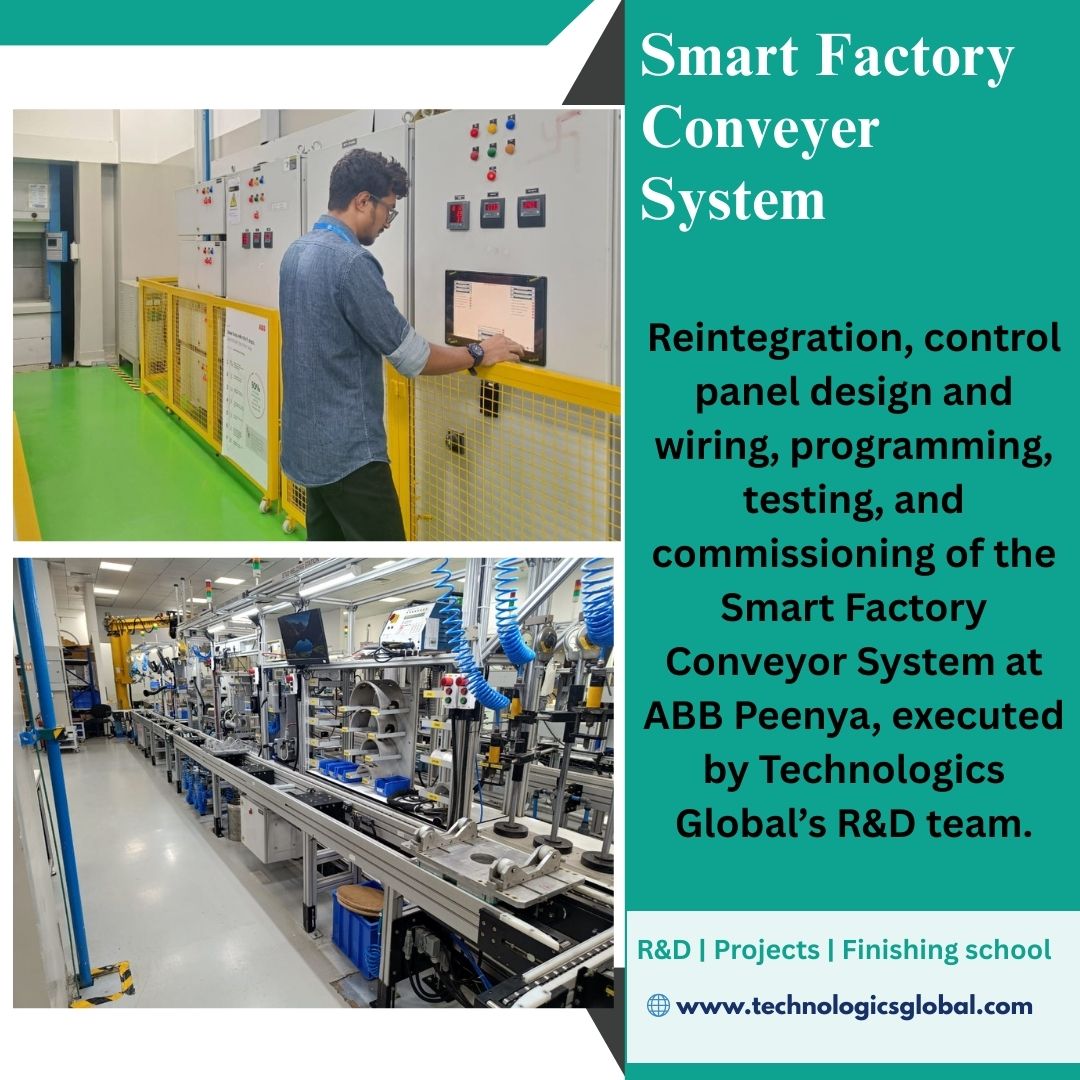
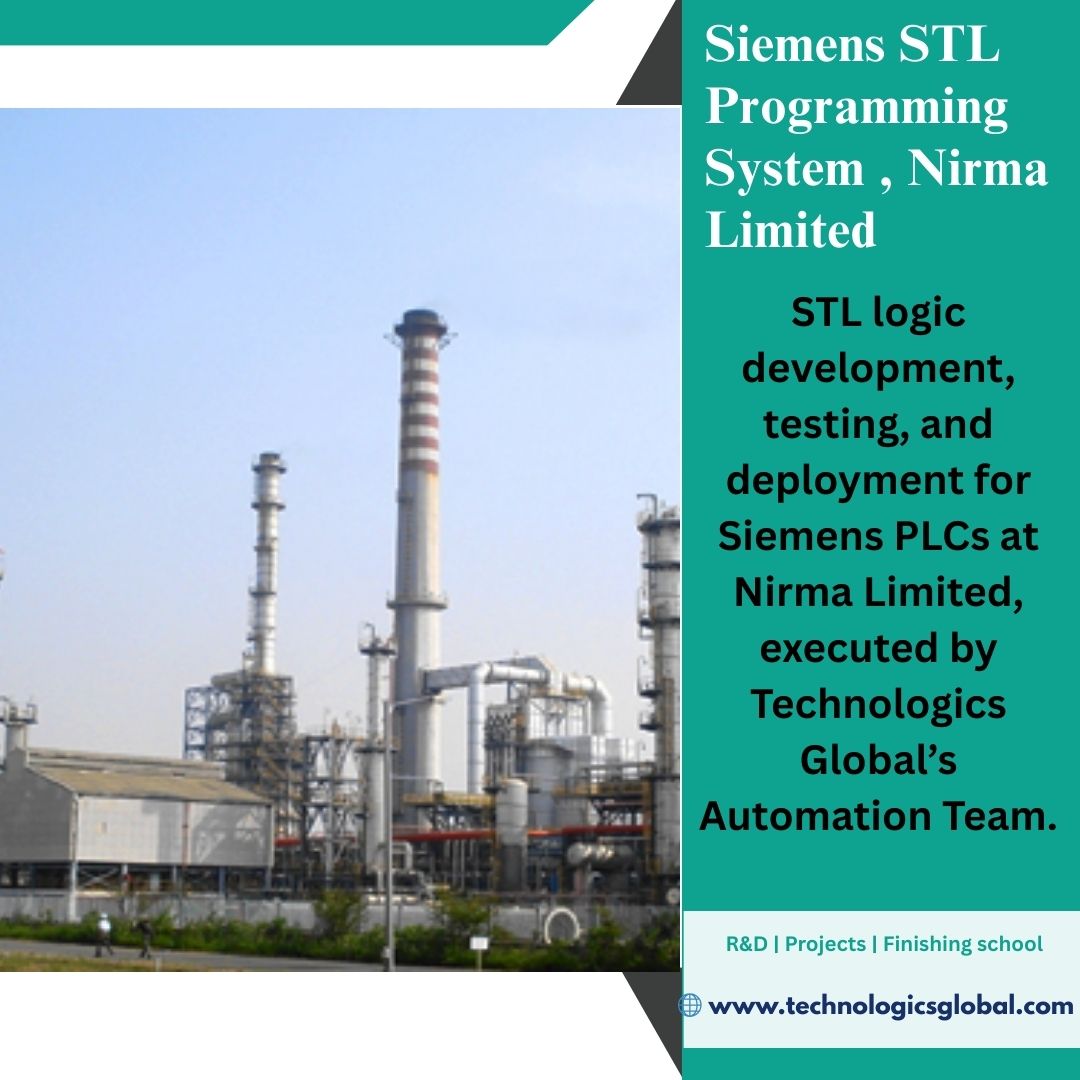
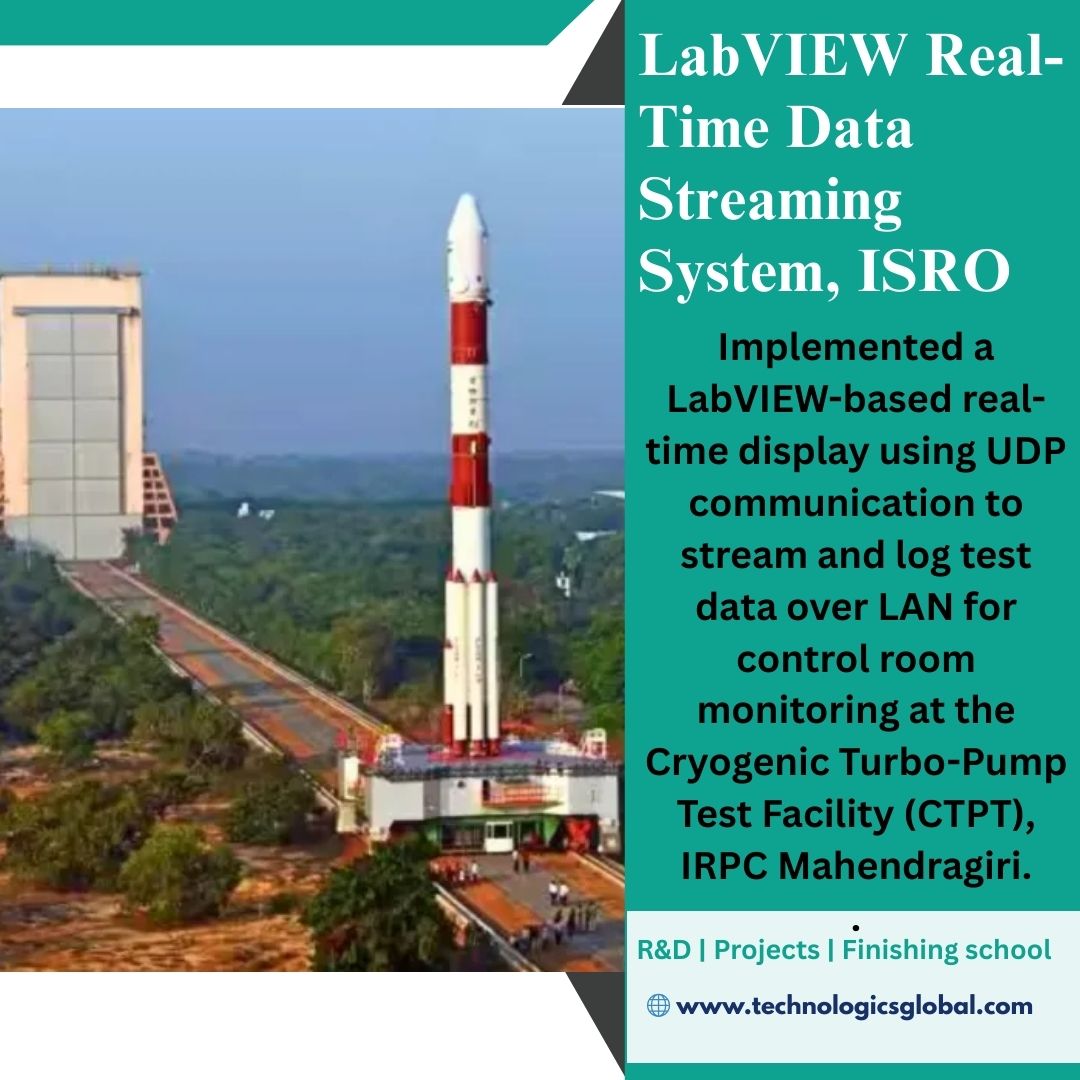
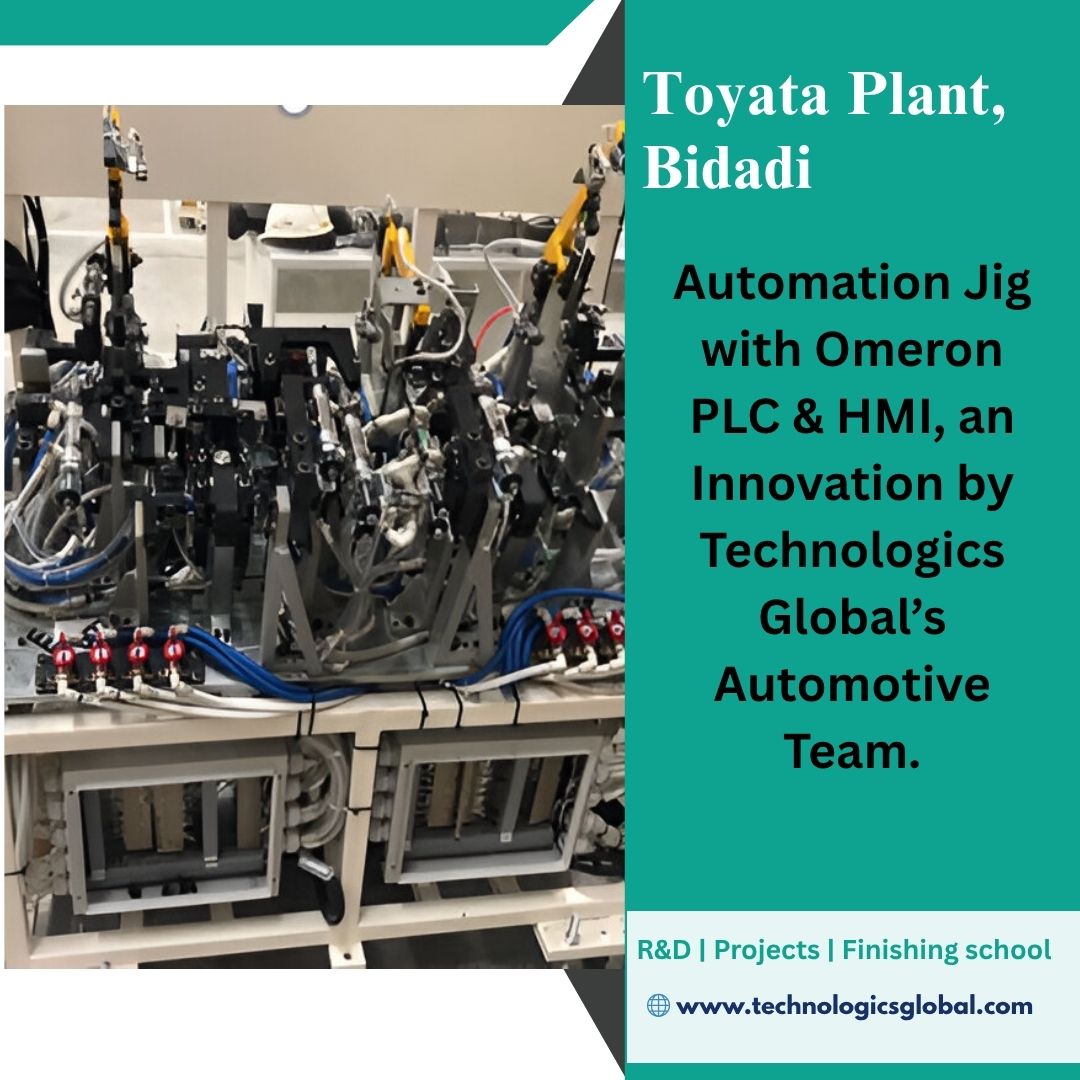
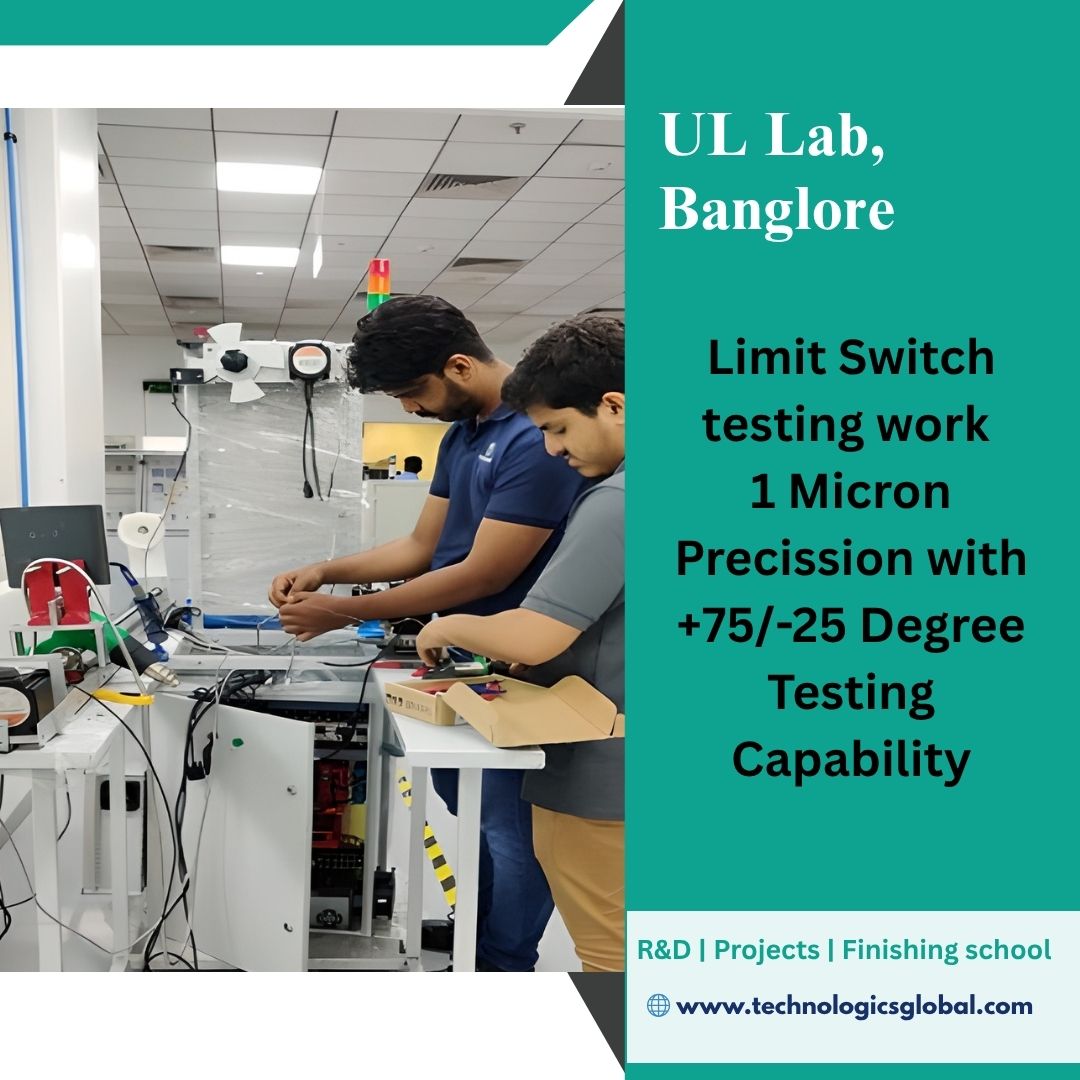
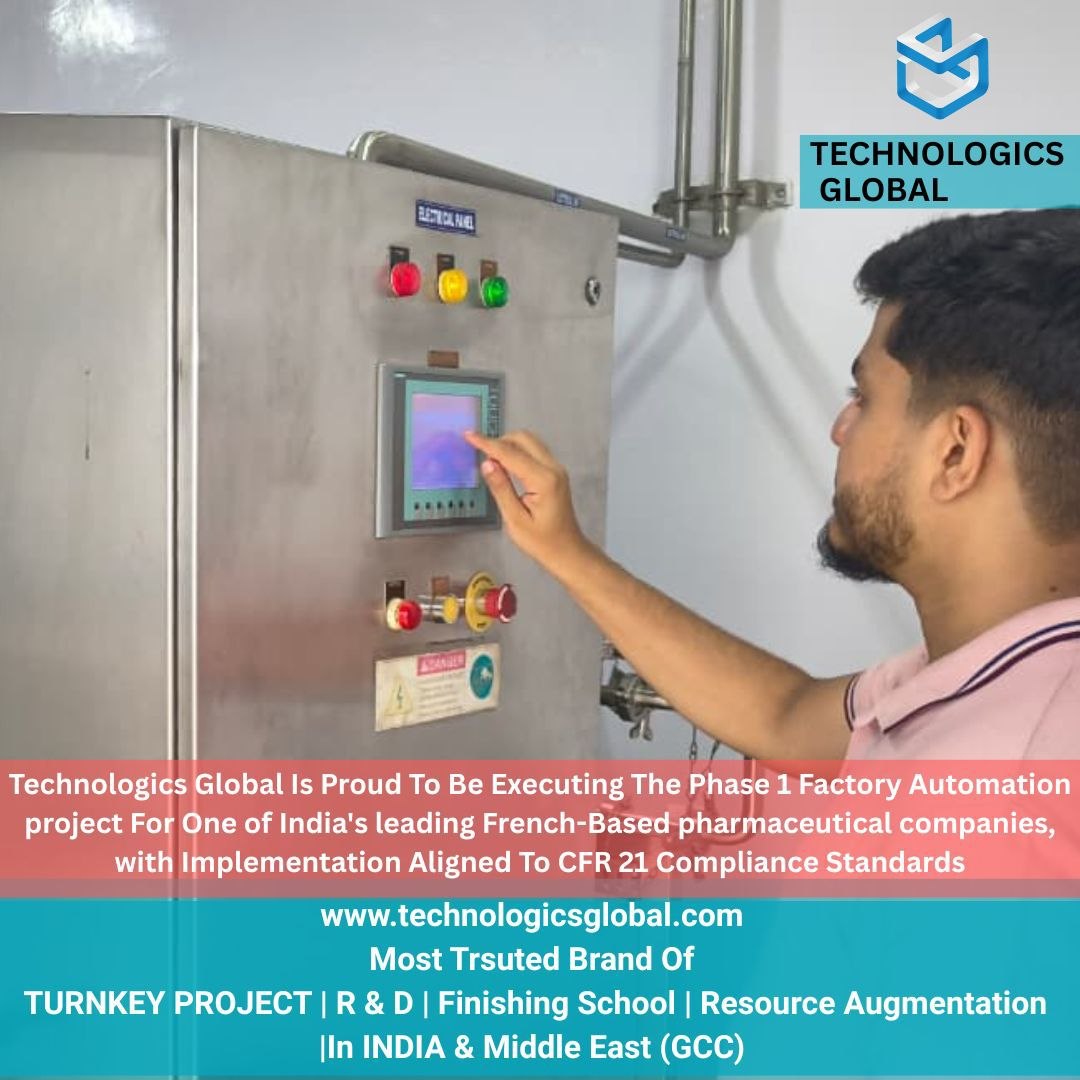
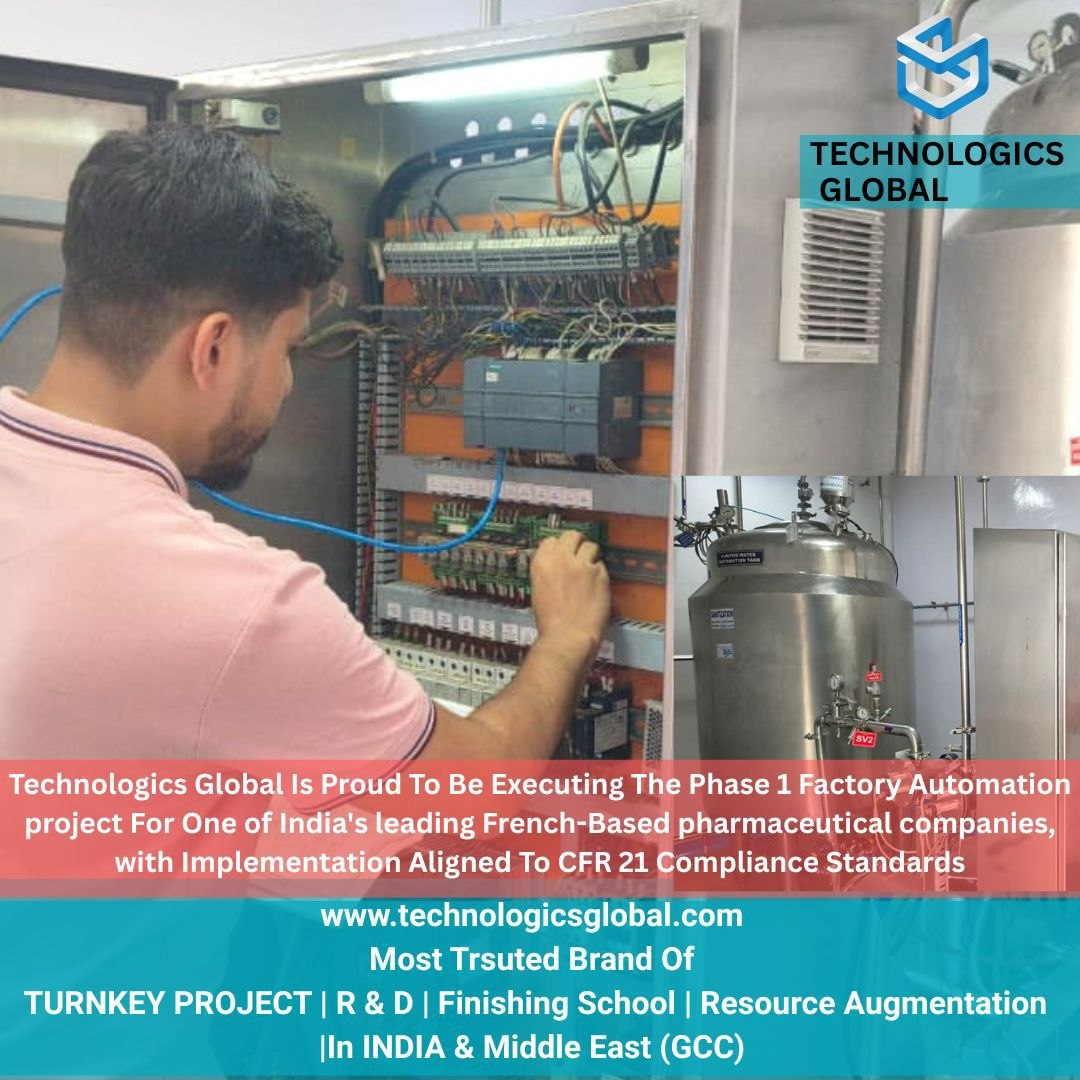
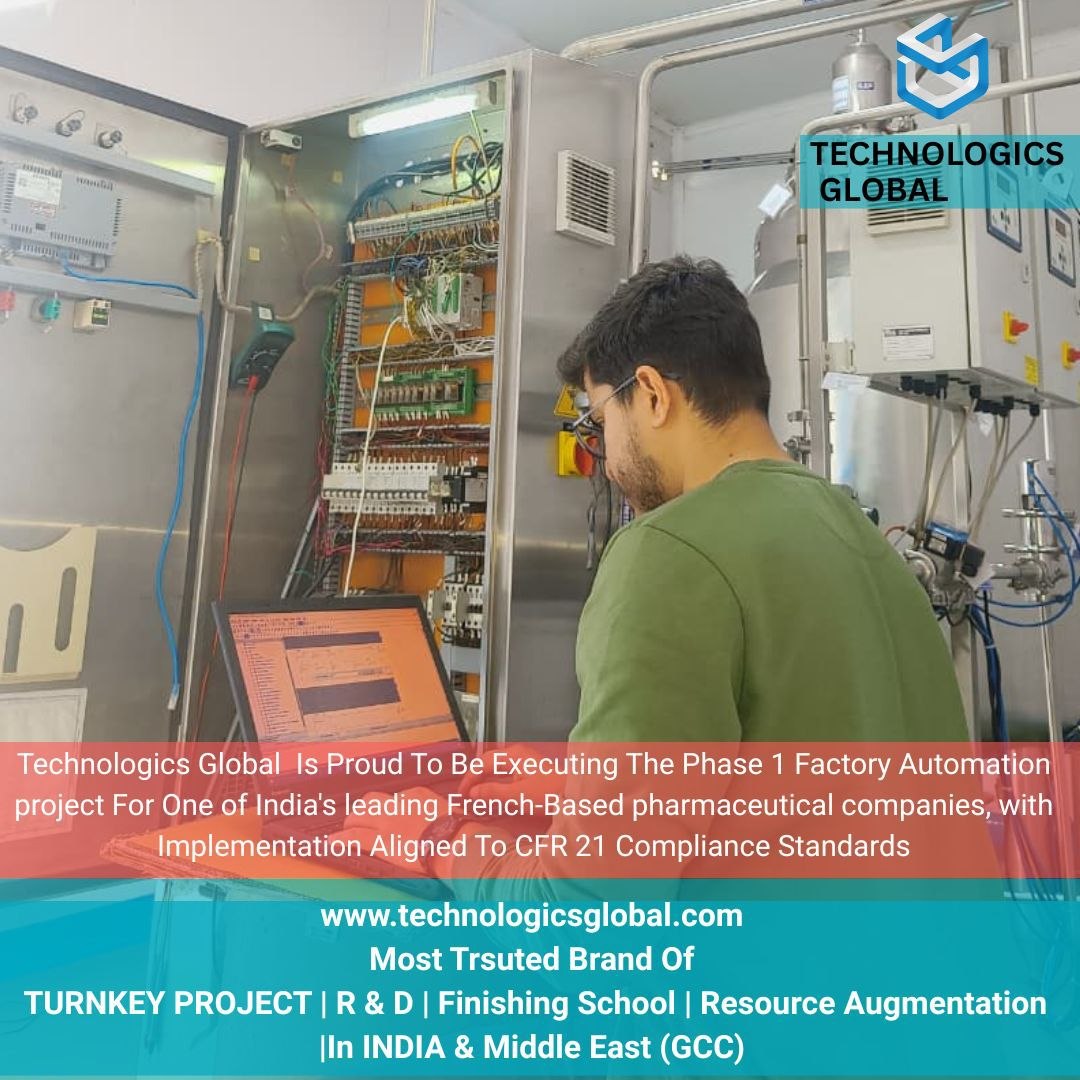
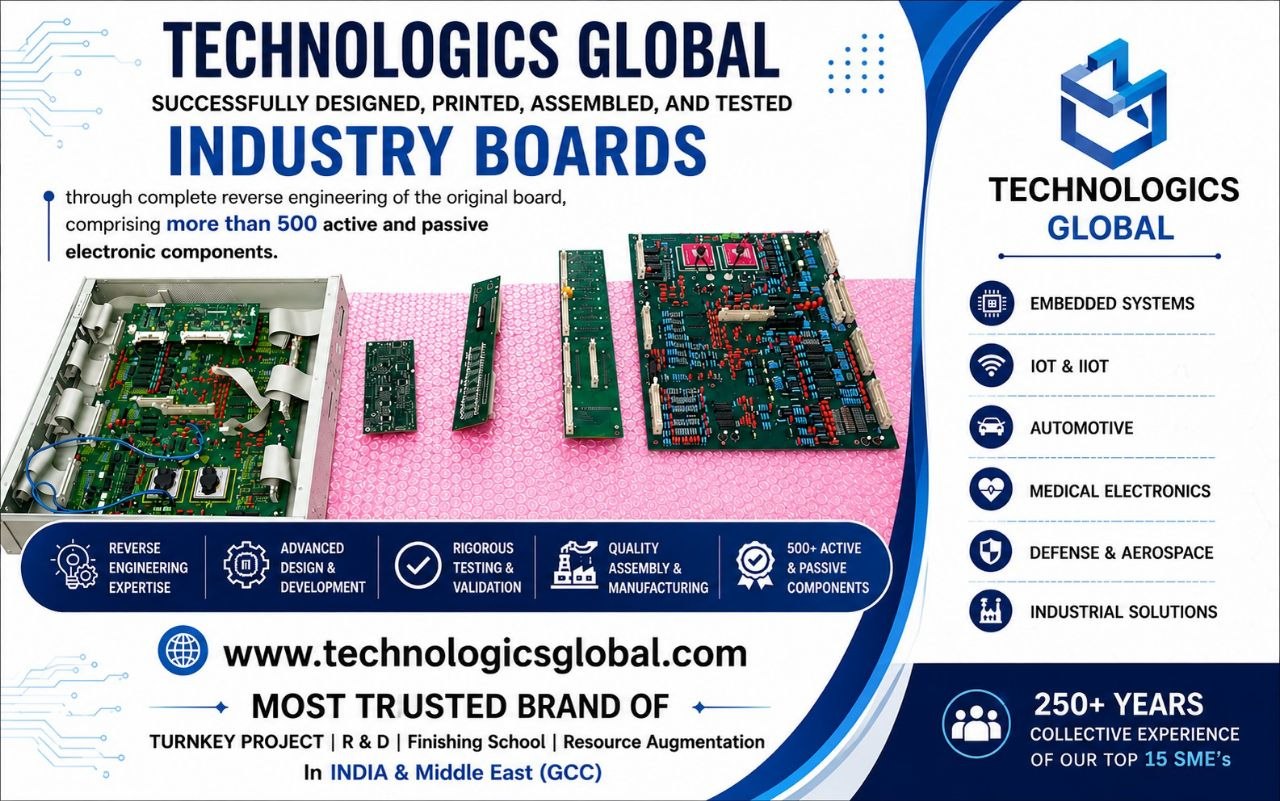
The same engineers who teach the batches commission these systems — STP and pharma plant automation, smart-factory conveyors, drive installations and CFR-21 control panels. It is why the syllabus tracks what plants run today.

1 / 15
Countries We've Executed Projects In
Our automation engineers have delivered real-world PLC & SCADA projects across the globe.
 India
India United States
 UAE
UAE Saudi Arabia
 Qatar
Qatar Turkey
 Germany
 Mexico
 Malaysia
 Ethiopia
Online vs vendor vs classroom PLC training
Free videos and simulators are the right way to test your interest. Self-paced online courses add theory cheaply. OEM vendor training is deep but single-brand and expensive. A multi-brand classroom program with live hardware and placement support is the fastest route to an actual automation job.
| Path | Typical cost | Hardware access | Placement support | Best for |
|---|---|---|---|---|
| Free videos & simulators YouTube · vendor sims | ₹0 | None — simulation only | None | Testing your interest before committing money |
| Self-paced online courses Udemy · LinkedIn Learning | ₹500–₹5,000 | None | None | Working professionals adding theory around a job |
| OEM / vendor training Siemens · Rockwell | ₹1.5–2.5 lakh+ / module | Excellent, single brand | None | Company-sponsored engineers standardizing on one platform |
| Institute classroom + lab Multi-brand | ₹15,000–₹60,000 | Multi-brand live panels, drives, HMIs | Structured, with drives & HR prep | Freshers and career-switchers who need a hiring outcome |
Our honest take: choose by the job you want, not by the course. If you only want to understand PLCs, start free — a simulator and a good playlist cost nothing. If you need an employer to trust you with their machines, you need hours on real panels, project names on your resume, and someone opening interview doors. That is what a serious classroom program is for — see our PLC SCADA course in Bangalore for the classroom format.
PLC training inside a working automation company
We are not a coaching center that bought a few trainer kits. Technologics is an automation company — our 30+ R&D engineers design and commission control systems for real clients, and the same engineers teach the batches. You learn in a 6,000 sq.ft Bengaluru lab on live hardware, then work on actual client projects before you graduate.
You ship real work
Students have worked on sewage-treatment-plant automation, pharma SCADA for Shilpa Pharma, ABB smart-factory conveyors and Siemens drive commissioning at Godrej — with scope documents, Gantt charts, daily stand-ups and formal handover.
Hardware, not slides
Siemens, Allen-Bradley, Mitsubishi and Delta panels, VFDs, HMIs and an ABB DCS rig. You wire, download, fault-find and fix — the skills interviews actually test.
Engineers who commission plants
Every batch gets a dedicated industrial trainer from our R&D pool, each with 50–60 turnkey project builds behind them. Ask them anything; they were on site last month.
85% score → unlimited interviews
Weekly industrial-standard assessments. Score 85%+ and you get unlimited interview opportunities with a dedicated HR team and industry coach. 98% placement-assistance track, 1,500+ companies visited.
Recognized paperwork
Completion certificate aligned to Skill India / NSDC skilling norms, plus project letters for the live systems you worked on — endorsed under Government of India skilling programs.
Small cohorts, individual focus
Daily live master classes, coding practice, free soft-skills sessions and mentor access — offline in Bengaluru or live online from anywhere in India.
Sit in a live class, meet the trainers and see the lab before you pay anything.
PLC & automation workshops we run on campus
We deliver PLC, SCADA and industrial-automation workshops and guest lectures at engineering colleges across Karnataka — BIT, SJB, AMC and The Oxford College among them.
Workshop photos — tap to view
Technologics Global
JP Nagar, Bengaluru
Based on 1,400+ authentic reviews from engineering students and professionals worldwide.
Powered by Google Business
Review Us on GoogleWhat Our Students Say About Us
Kesava Uppuluru
6 months ago
“clear and straight forward, excellent starting session . thankyou sir”
Jeferin Banu
6 months ago
“I was a part of embedded system online batch, the classes of C programming and everyday coding sessions strengthened my basics, I got highly valuable practical exposure and individual attention throughout the course. Recommended for anyone looking to build a career in ECE!”
Prakruthi Gs
6 months ago
“Great institute! Supportive trainers and good hands-on learning experience. Helped me improve my technical skills. Highly recommended for ECE and Electrical engineering students.”
AM
6 months ago
“This course was highly practical. The hands-on projects, hardware kits, and standard industrial software tools gave me the exact skills needed for automotive jobs.”
Suhas Gowda
2 months ago
“Technologics is the absolute best place for PLC SCADA and Industrial Automation training. The laboratory has high-end PLCs (Siemens, Allen Bradley) and the trainers guide you step-by-step in ladder programming and HMI integration.”
Megha Sharma
3 months ago
“Highly professional training institute. I joined for NASSCOM IoT course and the curriculum was highly structured. The placement assistance is excellent, they helped me prepare for core interviews and get placed in a top engineering firm.”
Nikhil R
4 months ago
“Excellent vectorCAST and safety-critical testing course. The hands-on exposure to diagnostic protocols, static and dynamic analysis is top-tier. Helped me transition into an automotive engineer role easily.”
Divya Bharathi
5 months ago
“The LabVIEW and Building Management Systems (IBMS) training was phenomenal. The practical sessions on HVAC simulation, fire alarm systems, and control logic design were extremely detailed and structured. Thanks to the whole faculty!”
How to choose a PLC training institute
Judge any PLC course on five things: live multi-brand hardware, trainers with commissioning experience, real project work, verifiable placement data, and a free demo class before payment. If an institute hides any of these, keep looking.
- Live hardware, not just softwareAsk to see the lab. Simulation-only courses cannot teach wiring, fault-finding or panel discipline — the things plants pay for.
- Multi-brand exposureOne brand makes you a technician of that brand. Siemens plus Allen-Bradley plus one Asian platform makes you employable almost anywhere.
- Trainers who commission plantsAsk what projects the trainer delivered in the last year. Reading slides aloud is not industrial experience.
- Real project names on your resume"STP automation" or "pharma SCADA commissioning" gets interview calls. "Completed PLC course" does not.
- Verifiable placement dataAsk for company names and recent candidate examples — not just a percentage printed on a poster.
- Documentation in the syllabusIO summaries, P&IDs, BOQ, FAT/SAT checklists. Plants run on paperwork, and most courses skip it entirely.
- A free demo classAny confident institute lets you sit in a session before paying. We do — book one here.
PLC training FAQ
What is PLC training?
PLC training is a structured program that teaches you to program, wire and troubleshoot Programmable Logic Controllers — the industrial computers that run automated machines and plants. A complete course covers relay logic, ladder programming, SCADA, HMI, VFDs and live project work.
How long does PLC training take?
The basics of ladder logic take roughly 40 hours. A job-oriented PLC SCADA program takes 2–3 months full-time or 3–6 months part-time. Full proficiency comes with 1–2 years of plant experience after training.
What are typical PLC training fees in India in 2026?
Classroom PLC SCADA programs in India typically cost ₹15,000–₹60,000 depending on duration, the PLC brands covered, hardware access and placement support. OEM courses from Siemens or Rockwell cost several times more per module. Contact Technologics for the current fee structure and offers.
Who is eligible for PLC training?
BE/BTech or Diploma holders in Electrical, Electronics, Mechanical, Instrumentation or Mechatronics, ITI electricians, and working technicians. No coding background is needed; basic electrical fundamentals help.
Which PLC should I learn first?
Siemens and Allen-Bradley cover most Indian and global plants, so start with one of them. Learn ladder logic deeply on one platform; the concepts transfer to Mitsubishi, Delta, Omron, Schneider and ABB with minor syntax changes.
Is PLC programming a good career in 2026?
Yes. Every automated plant needs controls engineers, and demand spans pharma, automotive, FMCG, water treatment, energy and data centers. Entry salaries are typically ₹2.4–4.5 LPA in India and $55,000–$75,000 in the US, rising sharply with commissioning experience.
What is the difference between PLC and SCADA?
A PLC executes control logic directly on the machine, switching outputs in milliseconds. SCADA is the supervisory software layer that monitors and controls many PLCs across a plant, handling visualization, alarms, trends and data logging. They are trained together because plants run them together.
Can I learn PLC online?
You can learn programming and simulation online, and Technologics runs live online batches. Panel wiring, fault-finding and commissioning still need physical hardware, which is why blended classroom-plus-lab training places better for core automation roles.
Will I get a certificate after PLC training?
Yes. You receive a completion certificate aligned to Skill India / NSDC skilling norms, plus project completion letters for the live industrial projects you work on during the program.
Does PLC training include placement support?
Yes. A dedicated HR team and industry coach prepare you for interviews, with unlimited interview opportunities for candidates scoring 85% or above in weekly assessments. Technologics has a 98% placement-assistance track record with 1,500+ companies visited to date.
Written by the Technologics Automation Engineering Faculty — a pool of 30+ working R&D engineers who design, wire and commission control systems for clients in 10 countries: pharma plants, dairy plants, smart-factory conveyors and municipal STPs. Reviewed by senior commissioning engineers before publishing.
LAST UPDATED: 05 JULY 2026 · Fee ranges and salary bands reviewed quarterly.
Get the syllabus, fees & next batch dates
Tell us where you're starting from and we reply on WhatsApp within working hours. No spam, no call flooding — one conversation with the academic team.
- Phone+91 96204 27002
- WhatsAppChat with the academic team
- Emailinfo@technologicsglobal.com
- Visit#163 C, 3rd Cross Rd, 3rd Phase, J.P. Nagar, Bengaluru 560078 · Mon–Sat, 9 AM–6 PM IST
- RegisterOnline registration form