Classic & Adaptive Platforms
Adaptive AUTOSAR Training
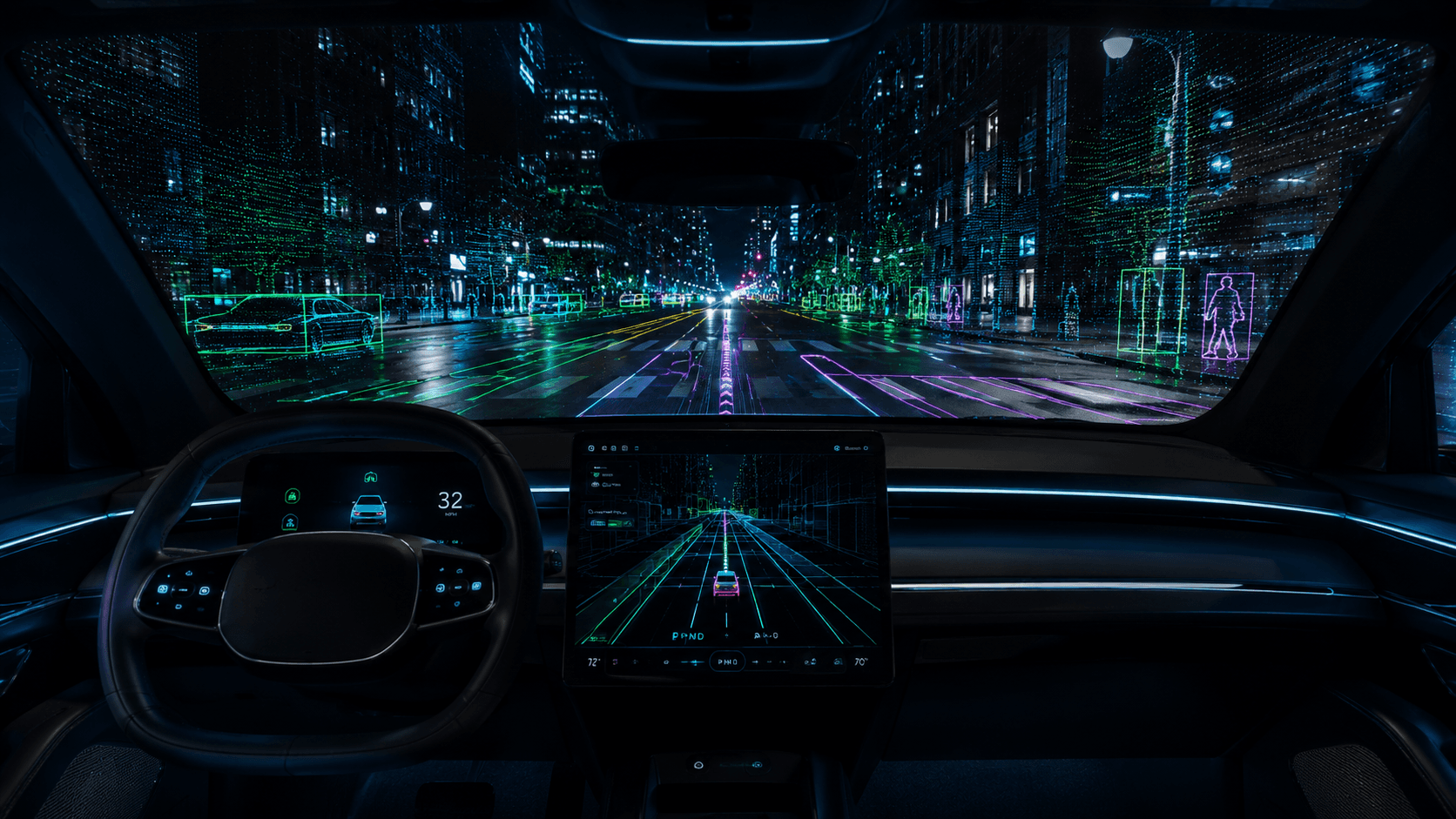
Master Adaptive AUTOSAR — the cutting-edge platform powering ADAS, connected cars, and autonomous vehicle computing. 100% Placement Assistance.
Core R&D & Hardware
Schematic design, PCB layout & hardware integration
Firmware, HW-SW integration & board designs
Embedded firmware design, RTOS & communication stacks
CAD drafting, structural simulation & prototype
Custom application design, embedded & full-stack
Advanced Design & Systems
End-to-end product design & development lifecycles
Concept modeling, reverse engineering & 3D drafting
ECU firmware & custom AUTOSAR designs
Smarter industrial control pipelines
Unifying information & advanced analytics
Hybrid cloud architectures & industrial migrations
Predictive & prescriptive data insights
Seamless API & middleware connectivity
Testing, Quality & Mfg
Rigorous embedded product testing & pre-compliance
Root cause analysis, safety & environmental tests
Finite element modeling, stress & thermal CFD analysis
Systematic change orders & version control
SPM design, tooling, fixtures & process engineering
Functional, automation & automotive validations
Microcontrollers & Boards
Foundational MCU kits & system modules
Classic 8-bit architecture & lab kits
Robust PIC microcontroller designs
Linux-based SBC prototyping & IoT
Rapid prototyping & open-source boards
Efficient 8-bit AVR development kits
Advanced 32-bit controller designs
Wireless & Communication
Mobile-controlled embedded systems
SIM-based alert & remote telemetry
Environmental, motion & industrial sensing
Short-range wireless mesh networks
Location tracking & navigation systems
Contactless identification & RF links
Tone-based remote control via telephone
Long-range data transmission & protocols
UAVs, motor kinematics & motion automation
Electronics & Instrumentation
ECE design concepts & hardware development ideas
Renewable energy harvesting & charging
Logic gates, FPGAs & digital circuits
50+ electronics and communication project ideas
50+ electrical engineering project ideas
Quick-build kits for students & labs
Industrial sensors & process calibration
Ladder logic & SCADA instrumentation
Automation & Embedded
Master PLC programming, HMI & SCADA
Master embedded microcontroller systems & C firmware
Complete hands-on connected device skilling
Govt endorsed connected systems training
Tailored corporate and industrial training programs
Automotive & Special Tools
Core BSW, RTE, and MCAL static embedded software design
POSIX, SOME/IP, C++ dynamic autonomous vehicle computing
Safety-critical automated testing verification
Building Management Systems & Niagara automation
Master labVIEW programming & test instrumentation
Modern Software & Power
Neural networks, smart models & big analytics
Master ETAP power system design & transient analysis
Enterprise web apps & backend logic
Register for hands-on industrial internship programs
Request official training & internship certificates
Master Adaptive AUTOSAR — the cutting-edge platform powering ADAS, connected cars, and autonomous vehicle computing. 100% Placement Assistance.
Clients Hiring from Technologics Global Finishing School

























Introduction: In the rapidly evolving automotive industry, the demand for smarter and more flexible software solutions has never been higher. As vehicles become increasingly complex, AUTOSAR (Automotive Open System Architecture) has emerged as a pivotal technology for developing and managing automotive software. To keep pace with these advancements, Technologics is proud to present our comprehensive Classic & Adaptive AUTOSAR training course.
Are you ready to embark on a journey to become a proficient Adaptive AUTOSAR expert? At Technologics, we understand the critical role Adaptive AUTOSAR plays in the automotive sector. With the increasing complexity of modern vehicles and the demand for advanced features, mastering Adaptive AUTOSAR is essential for anyone looking to build a successful career in automotive software development.
At its core, Adaptive AUTOSAR aims to address the growing complexity of modern vehicles. As automotive systems become increasingly interconnected and require constant updates and improvements, a more adaptable software framework is essential. One of the key features of Adaptive AUTOSAR is its separation of software into different layers, each serving a unique, high-compute purpose.
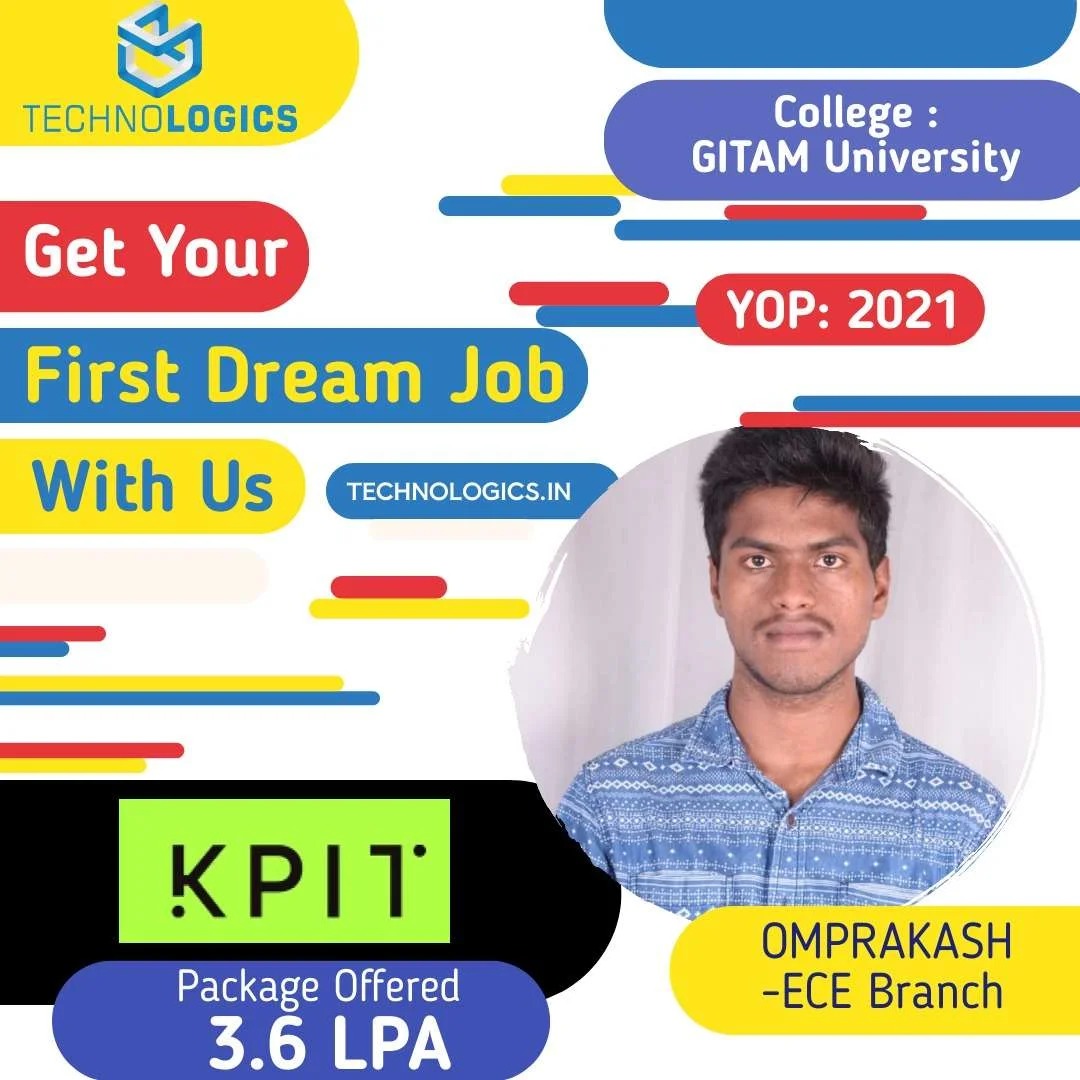
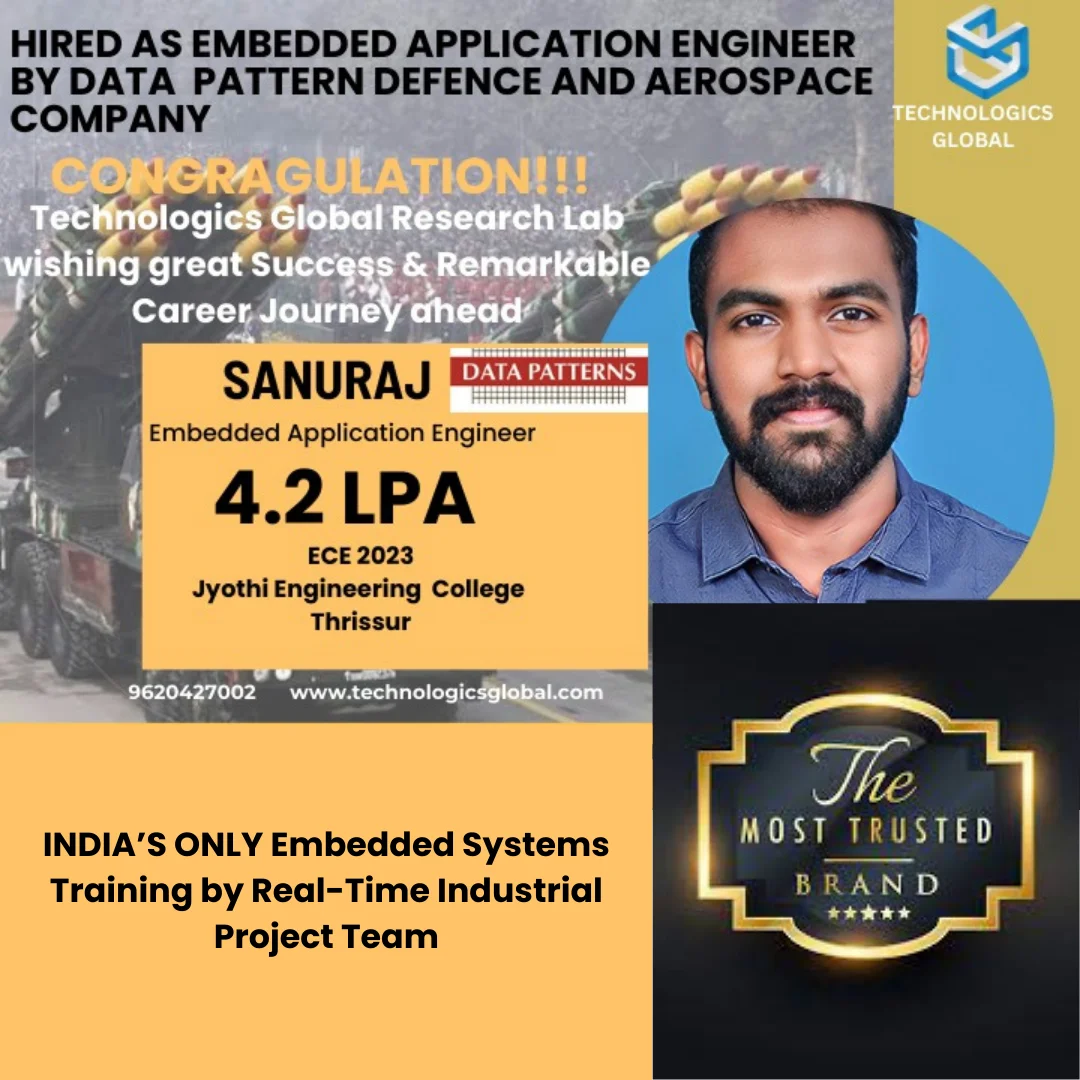
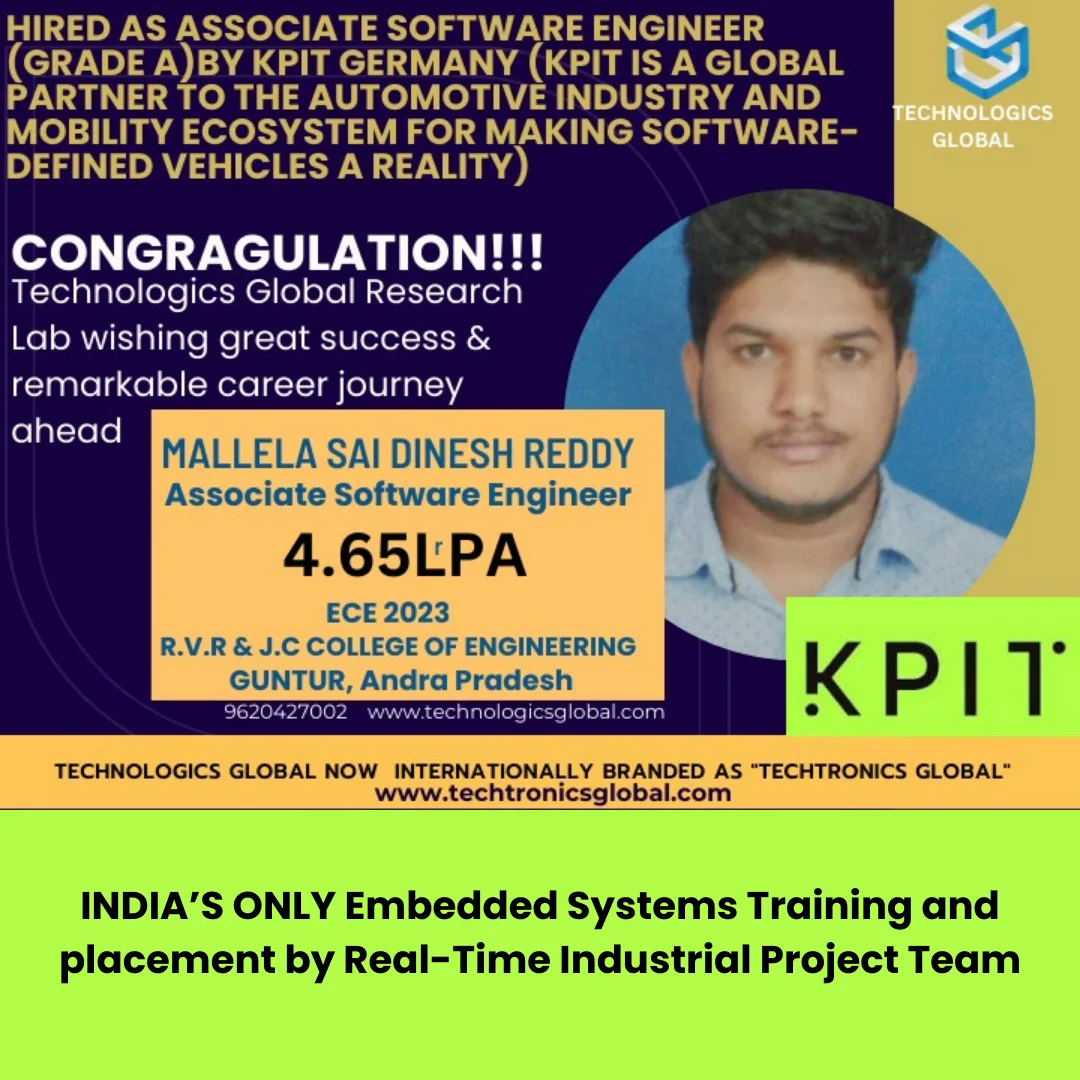
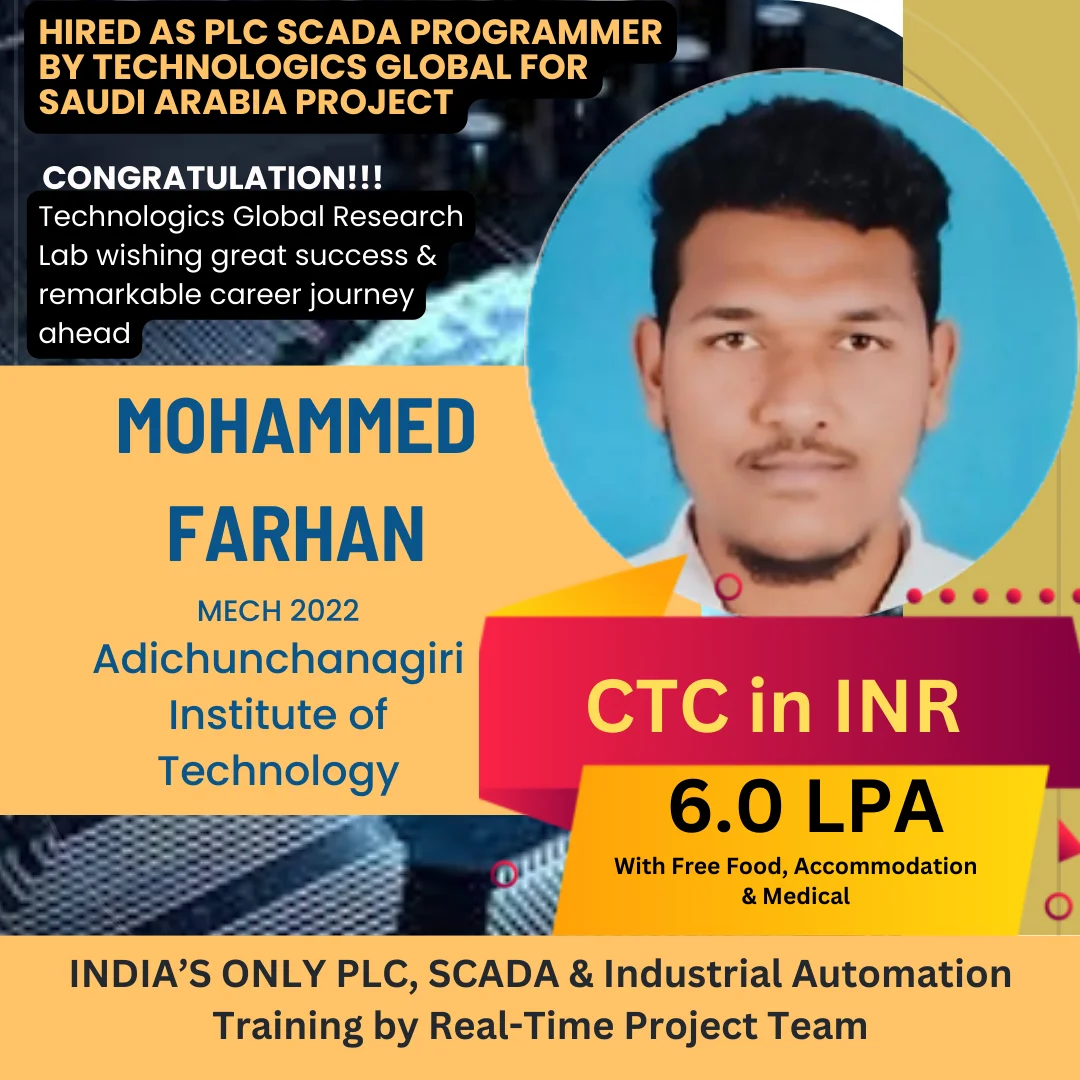
Experience hands-on learning through real-world industrial projects. Get genuine placement support with record of 5 to 10 clients hiring weekly, fully equipped lab facilities, and certified embedded faculties.
We go beyond basic training. We teach POSIX integration, SOME/IP protocol setups, C++ application software components (SWCs), and real TriCore AURIX hardware configurations to get you industry-ready.
Designed to handle dynamic, multi-core processors running high-throughput tasks like ADAS, computer vision, sensor fusion, and autonomous driving.
Uses SOME/IP, DDS, and modern IPC frameworks to establish dynamic communication channels instead of static signal-based MCAL structures.
Runs on POSIX-compliant operating systems (like Linux or QNX), allowing run-time software updates and dynamic task scheduling.
Leverages Modern C++ (C++11/14/17) coding architectures, standard AUTOSAR models, and cloud-connected deployment workflows.
Student Journeys
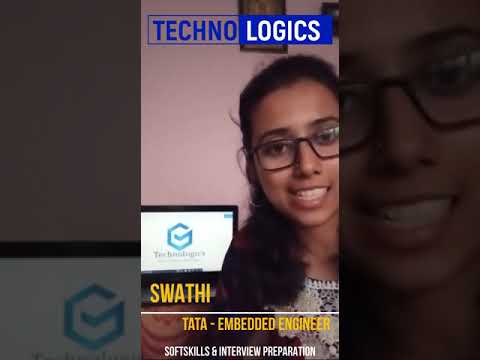
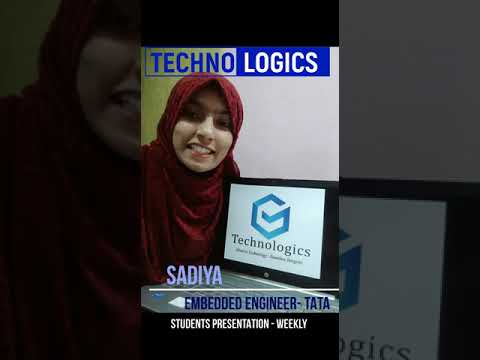

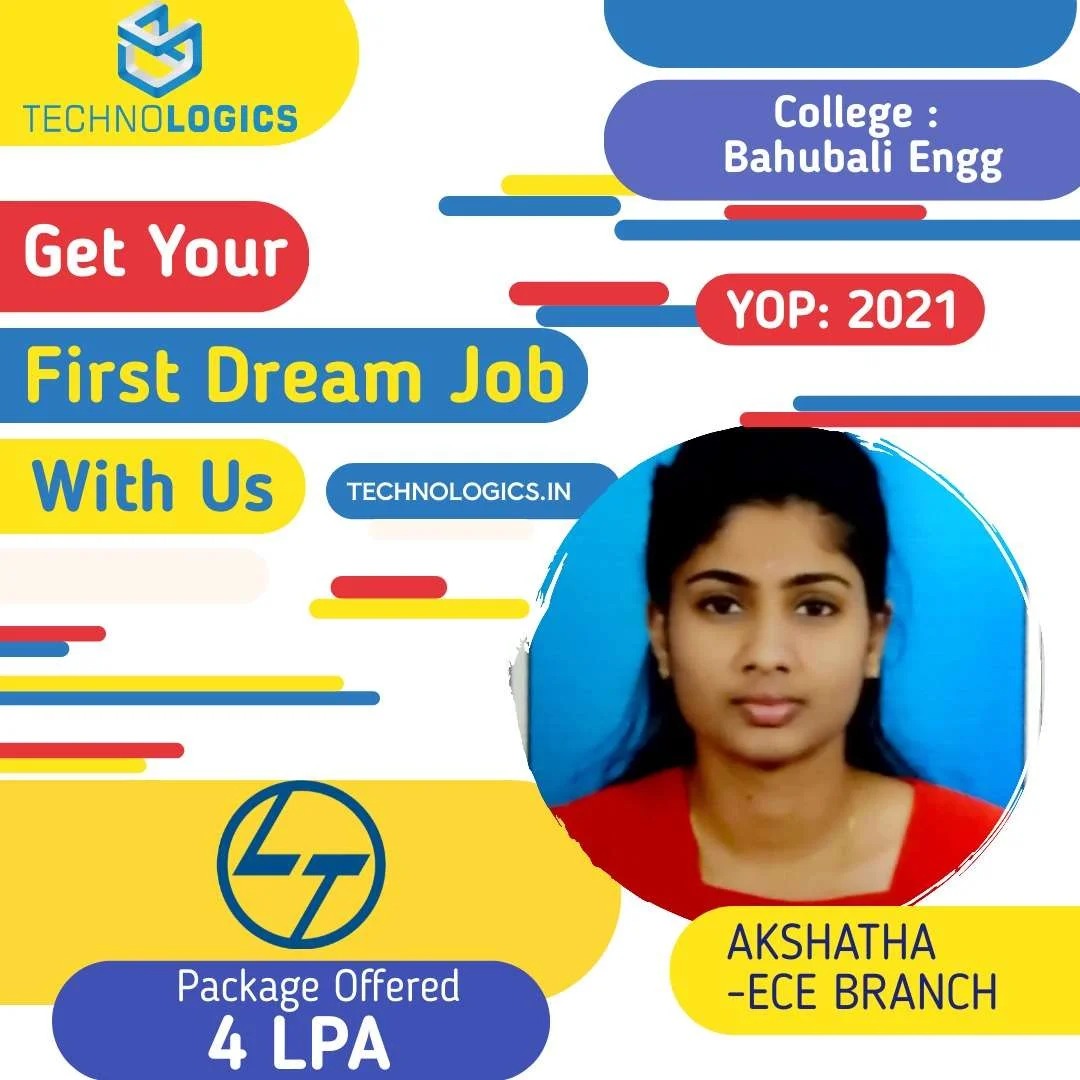
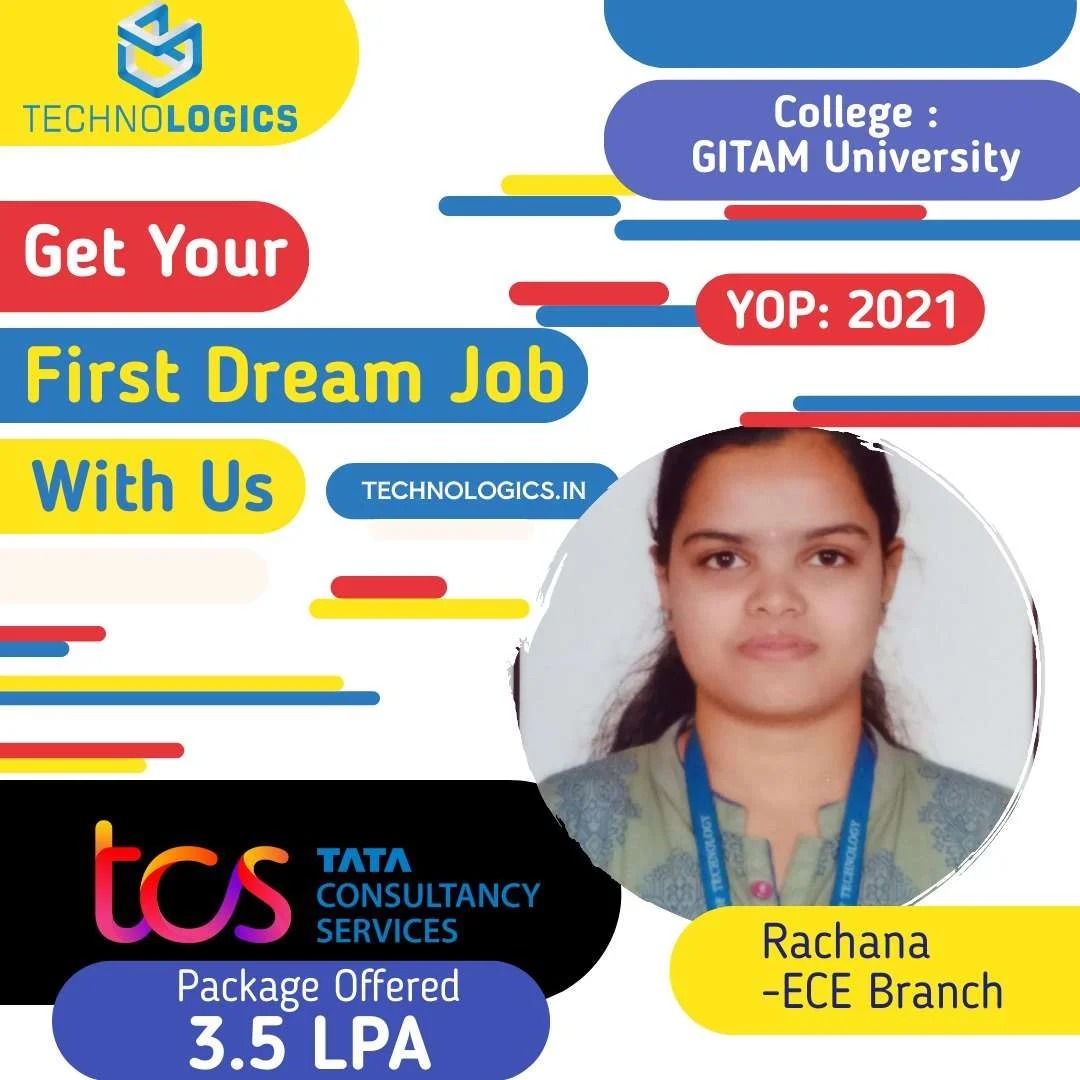
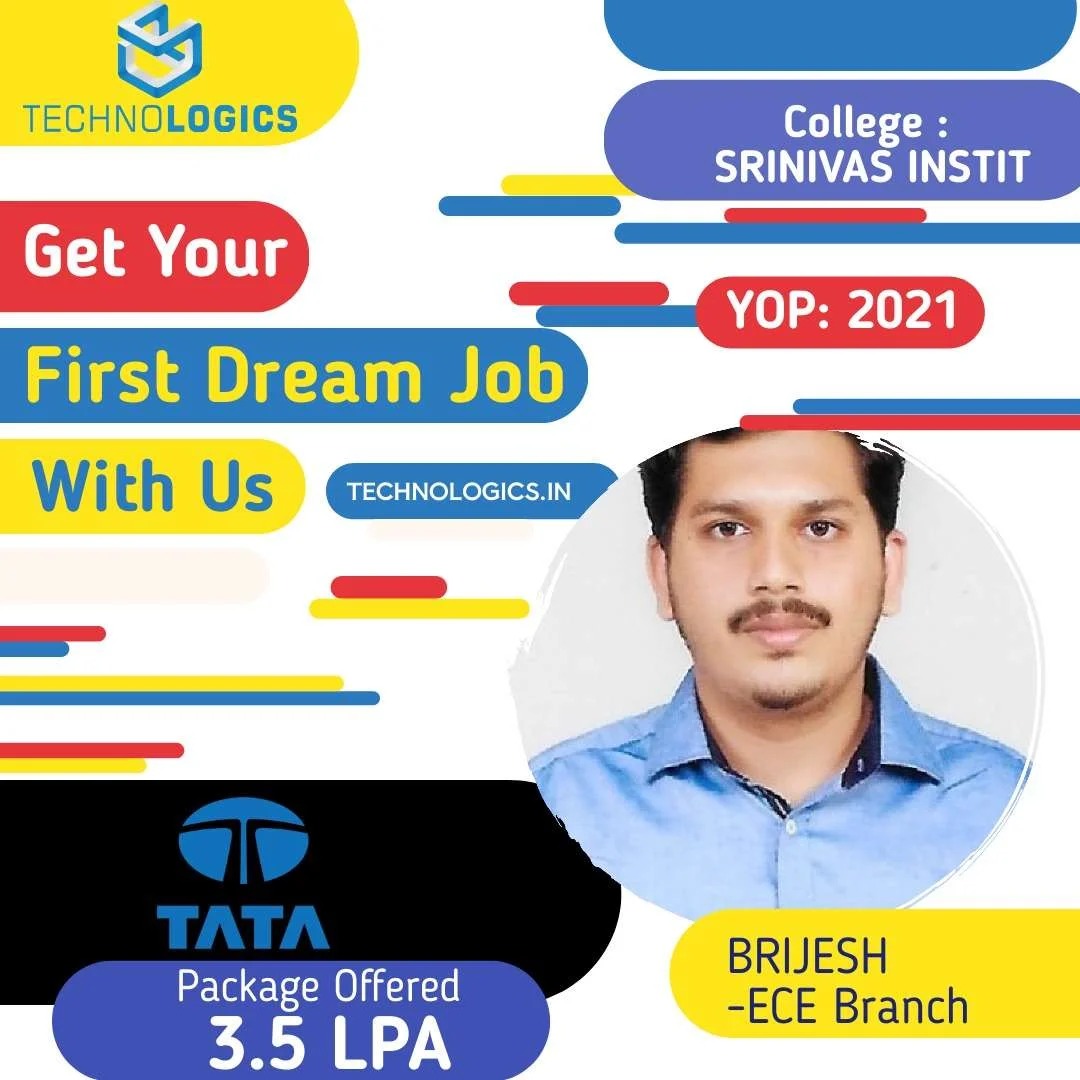
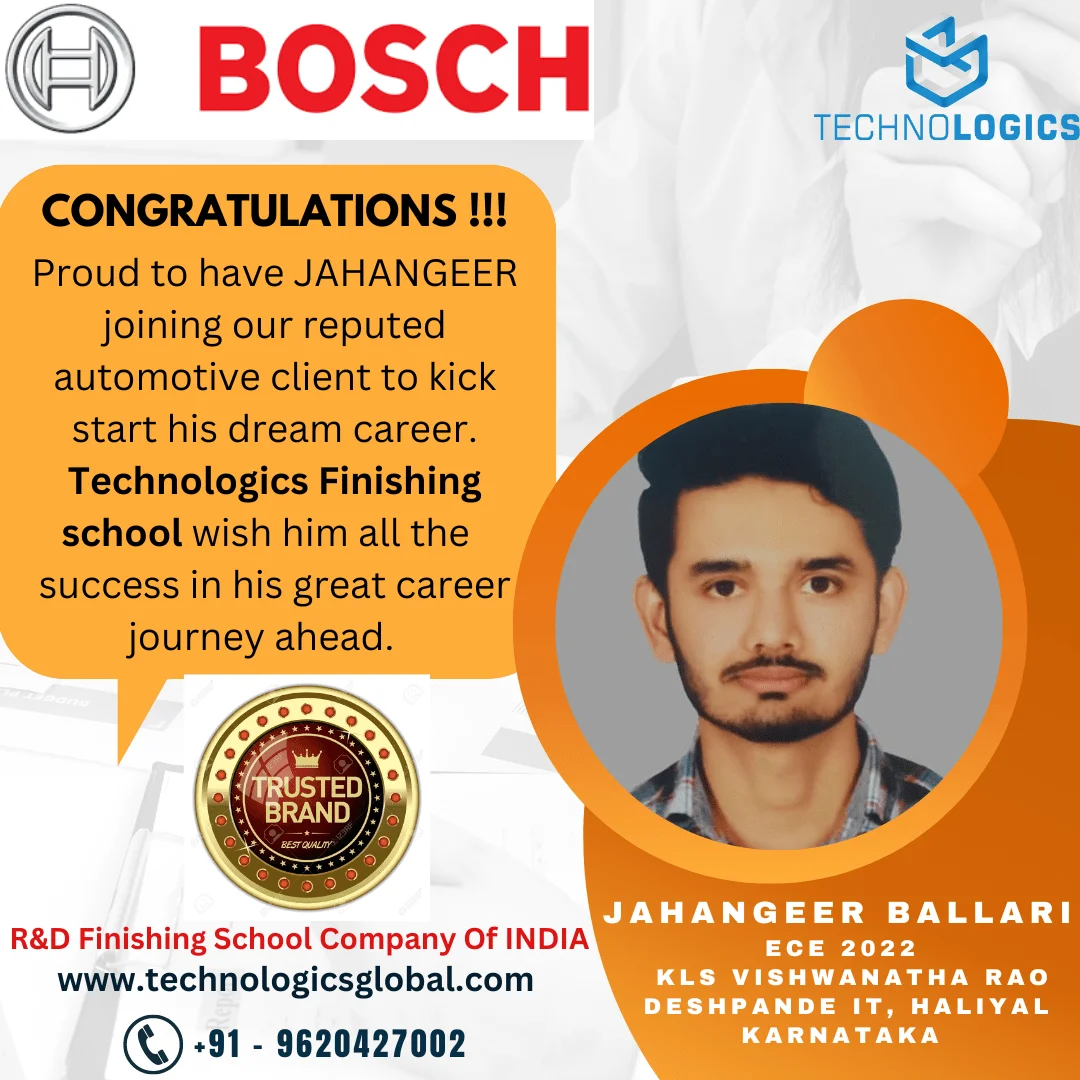



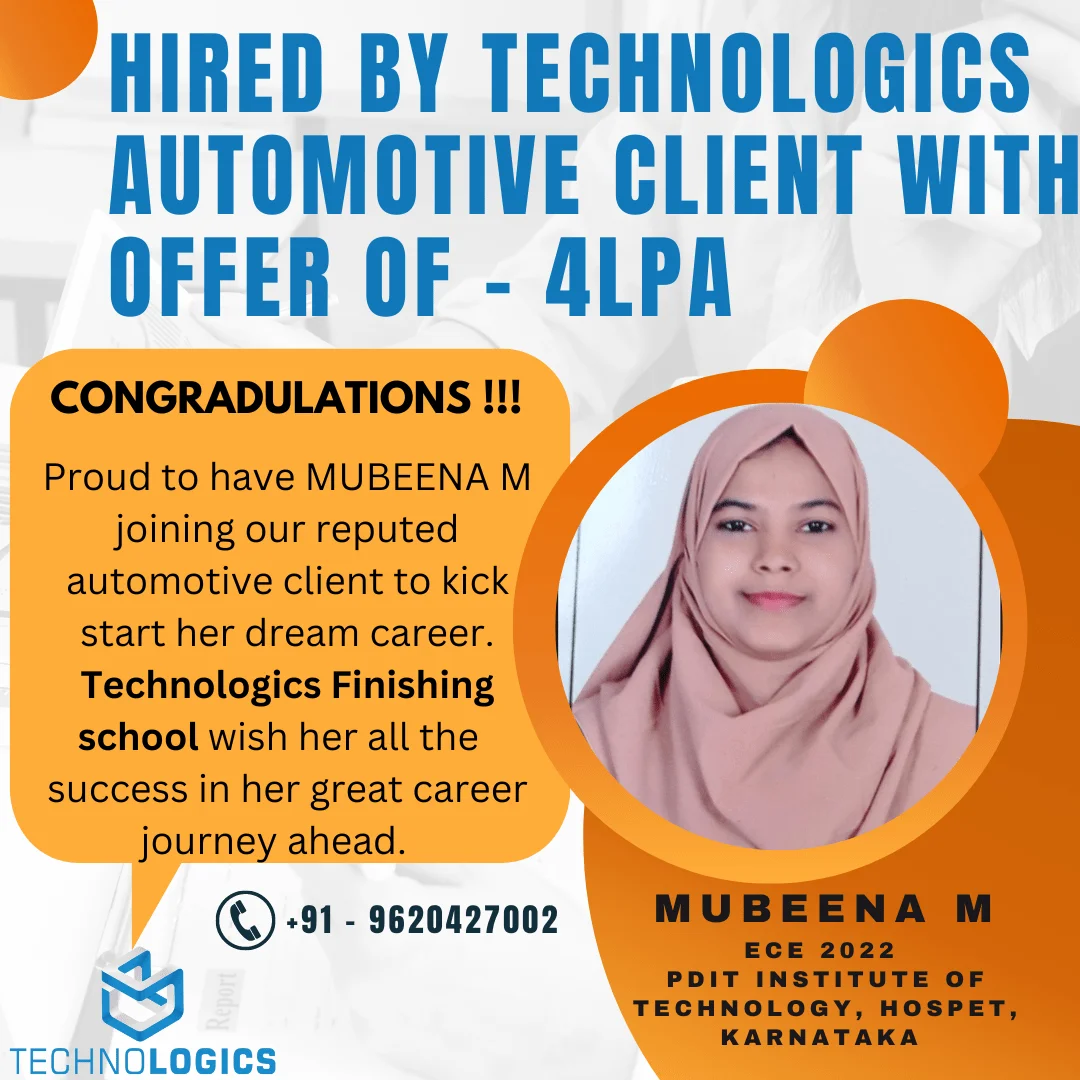
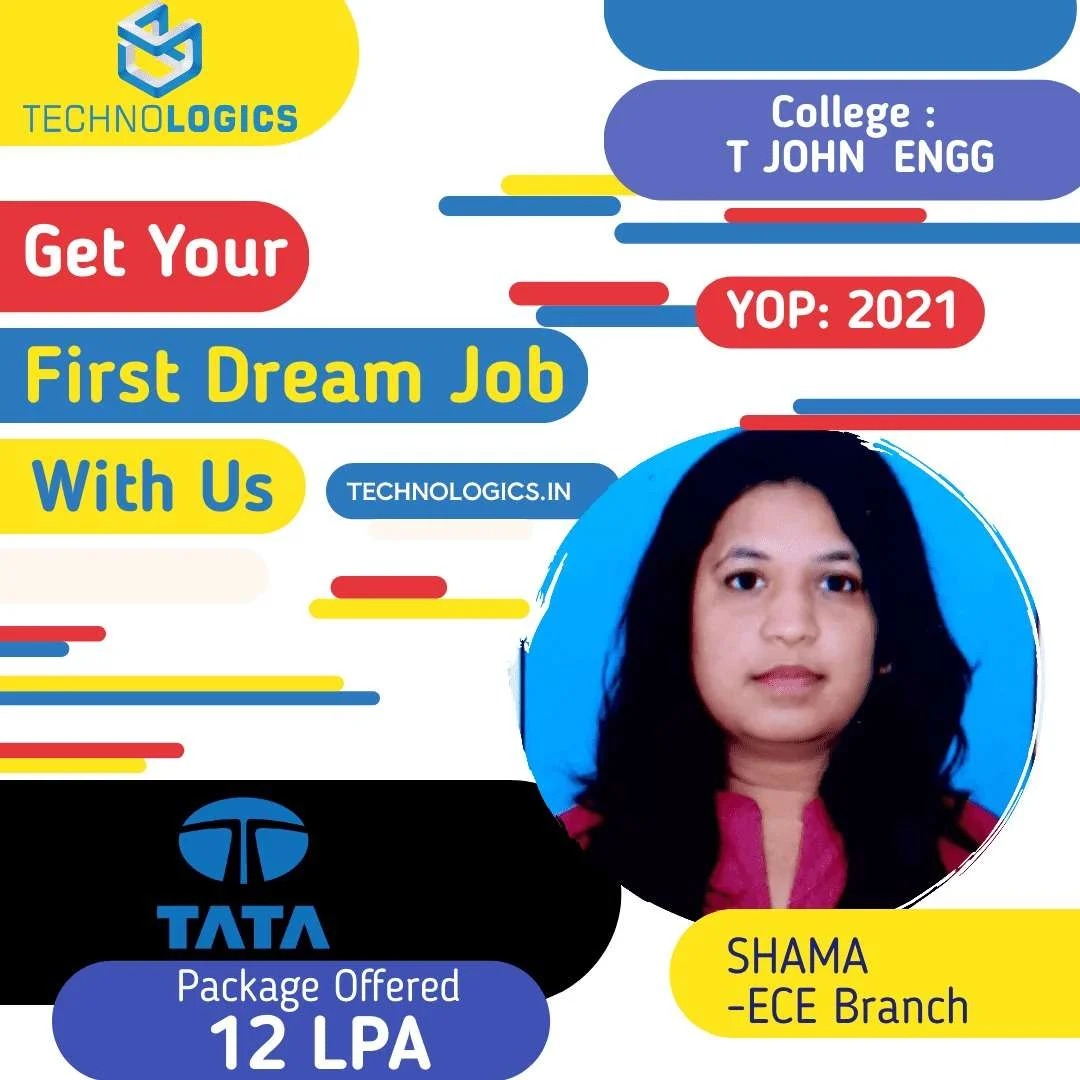
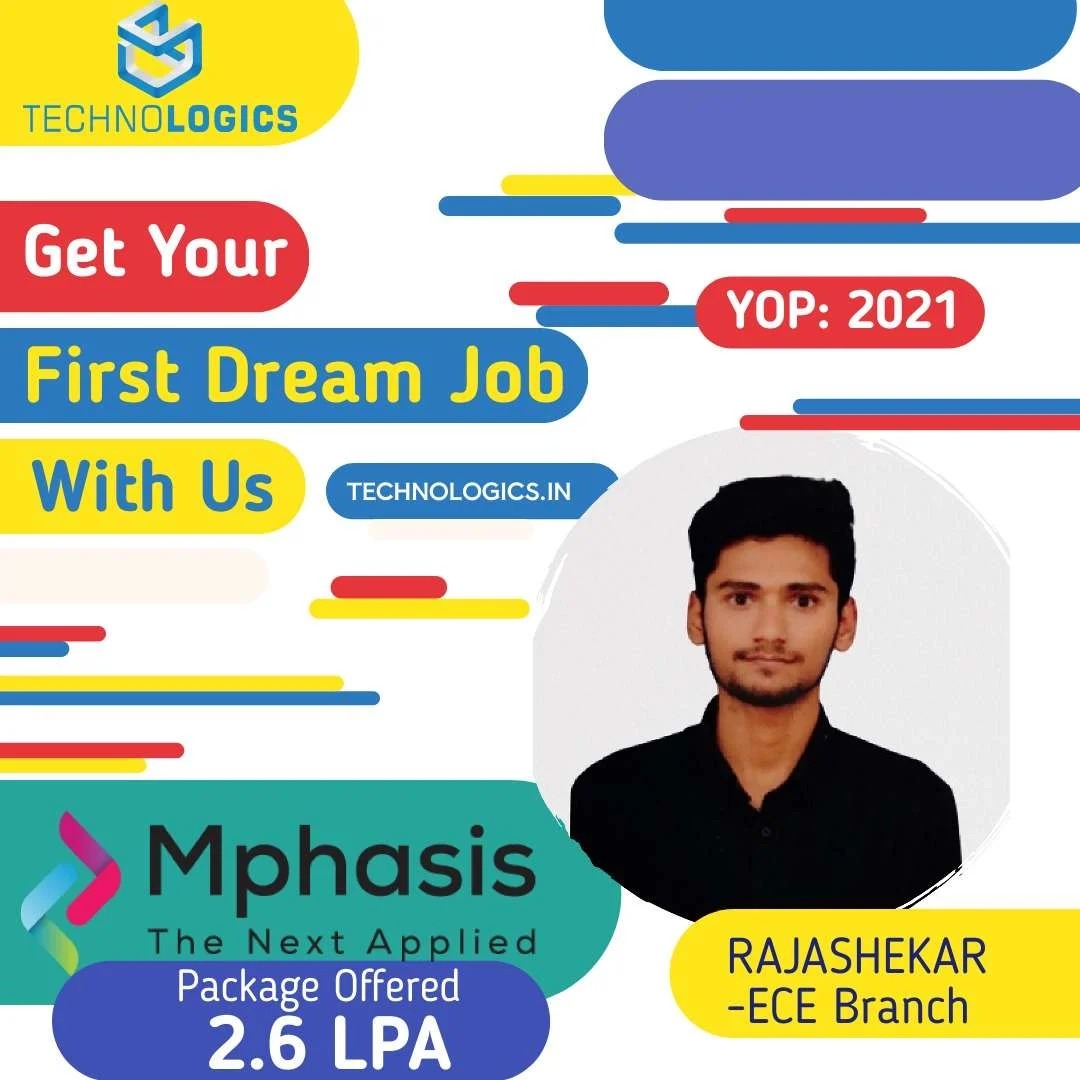
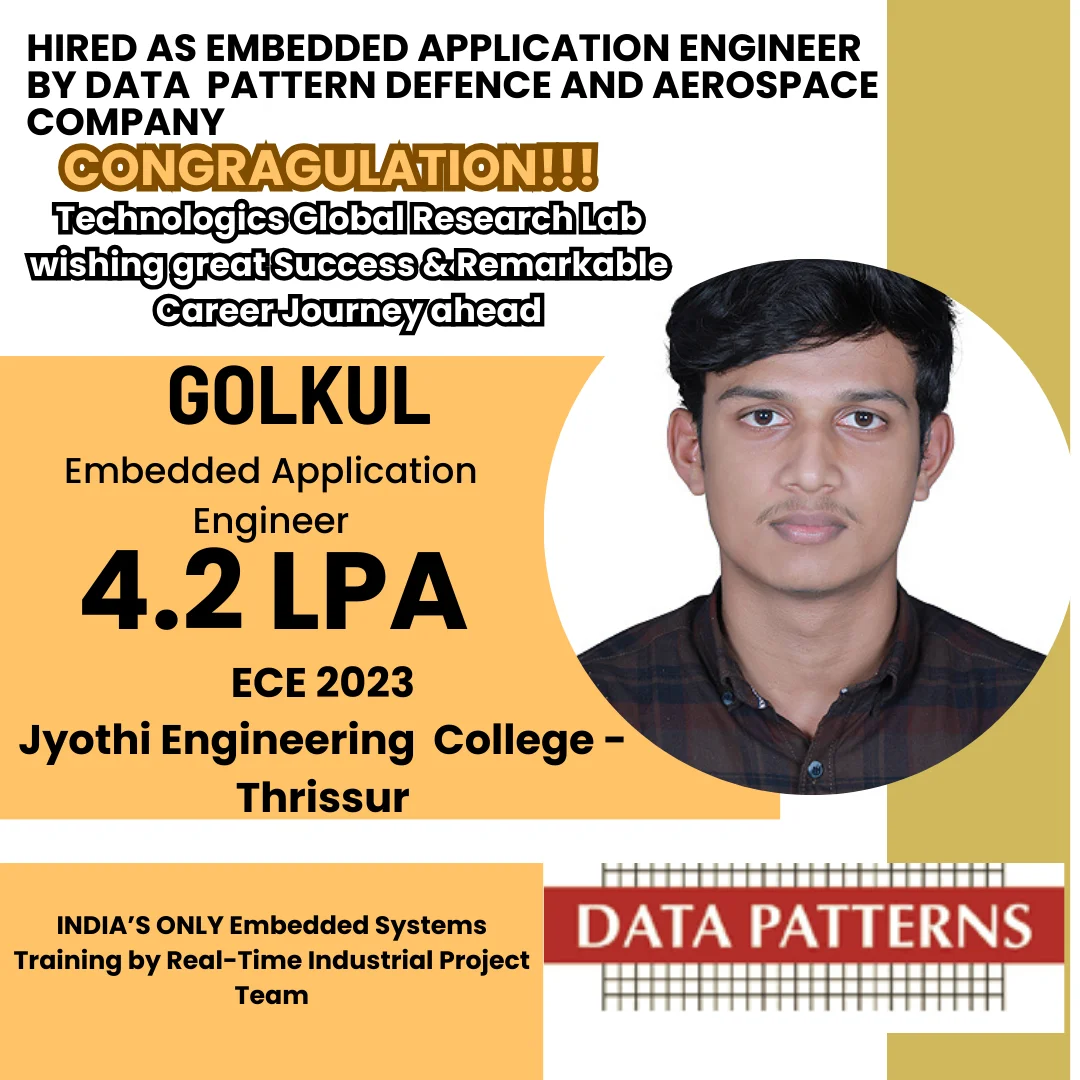
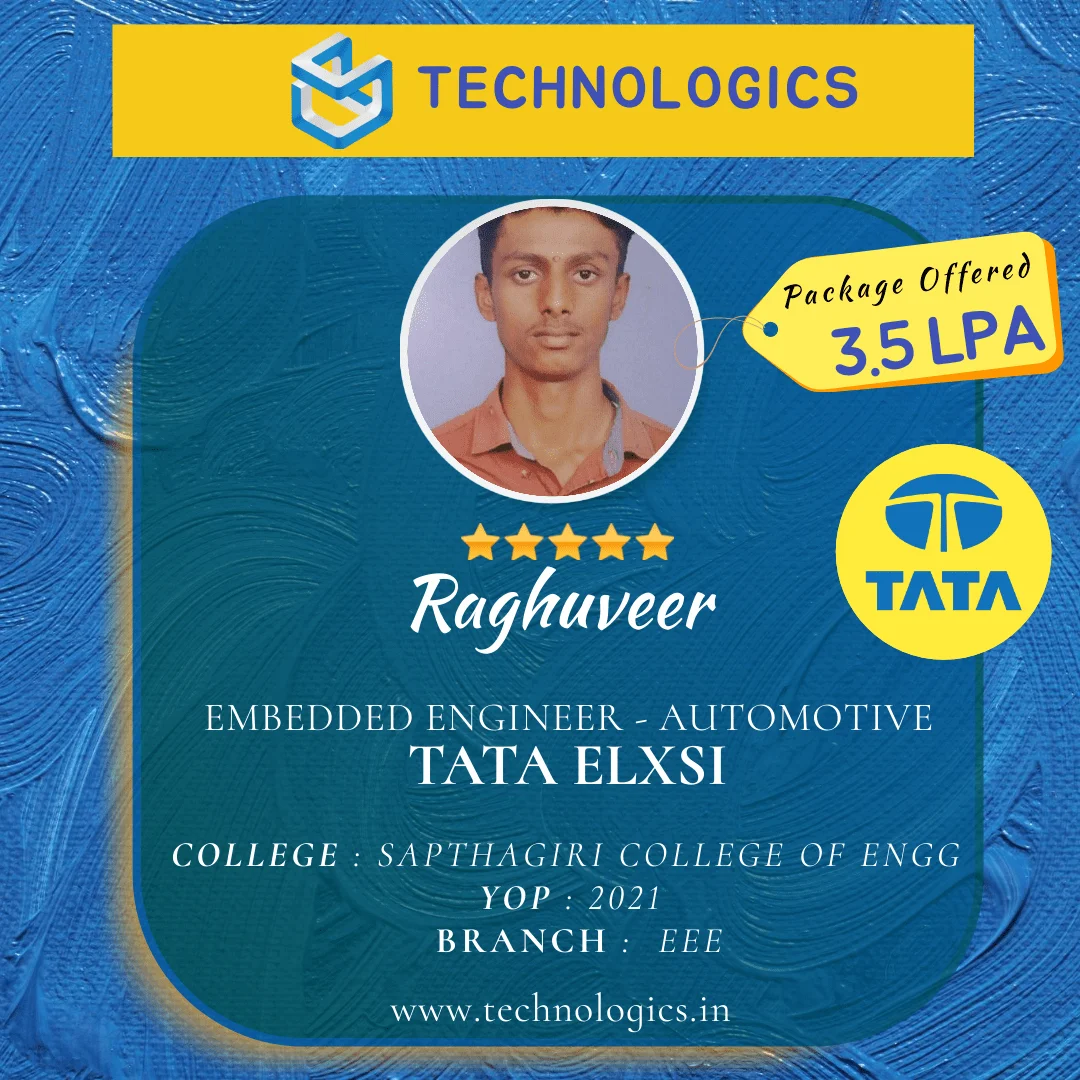
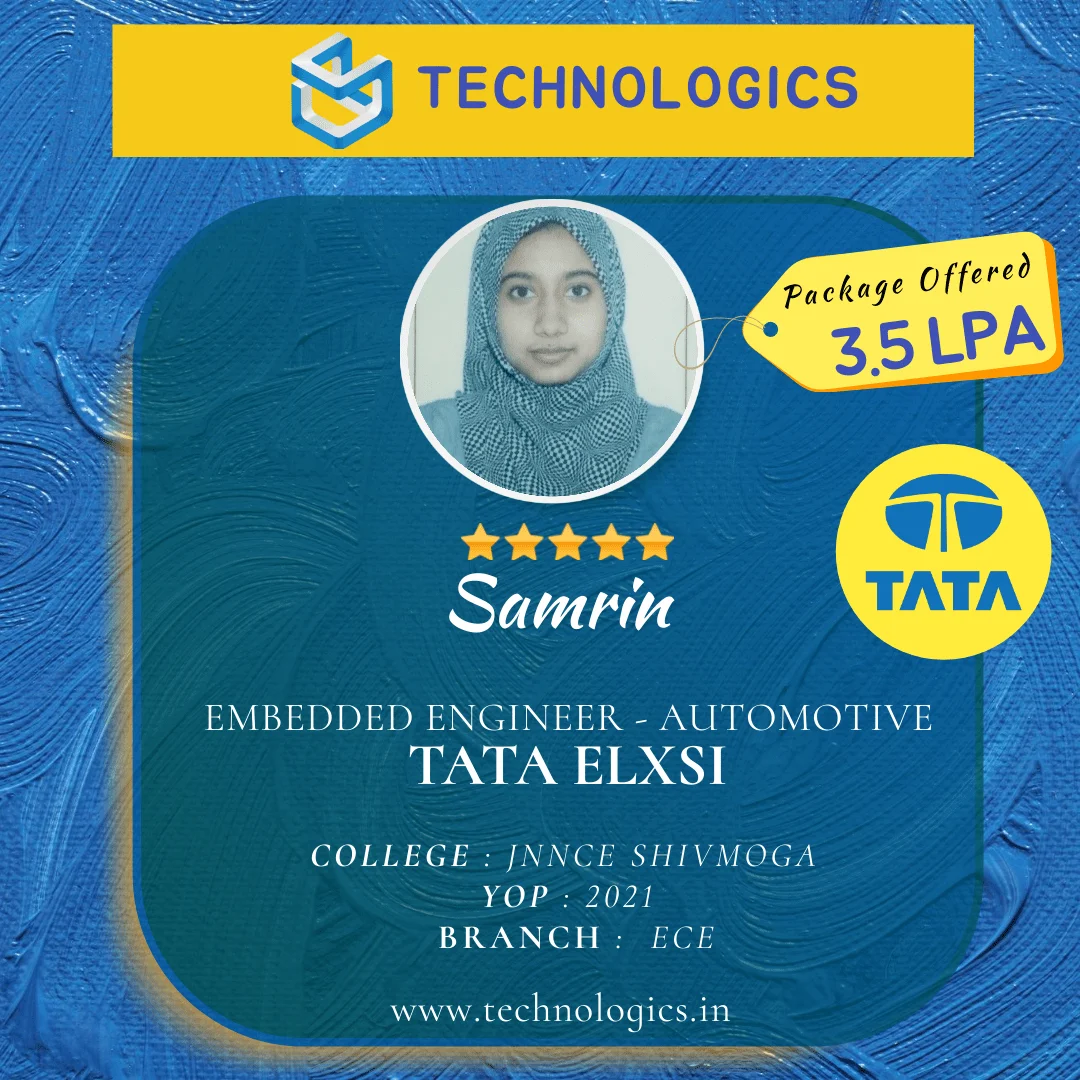
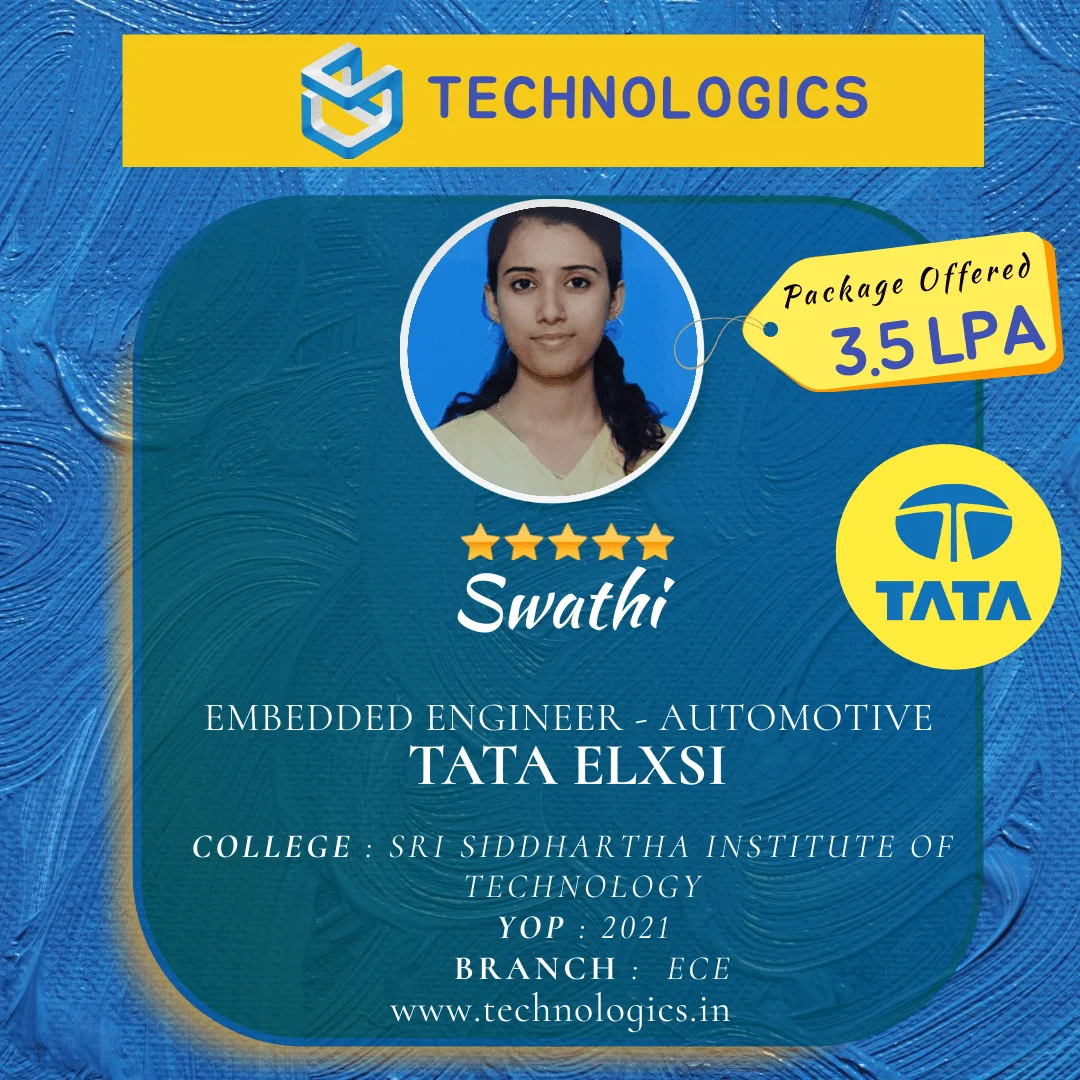
Unlock the future with us – Contact us now for a world of possibilities! Gain unmatched Adaptive and Classic AUTOSAR competence.